
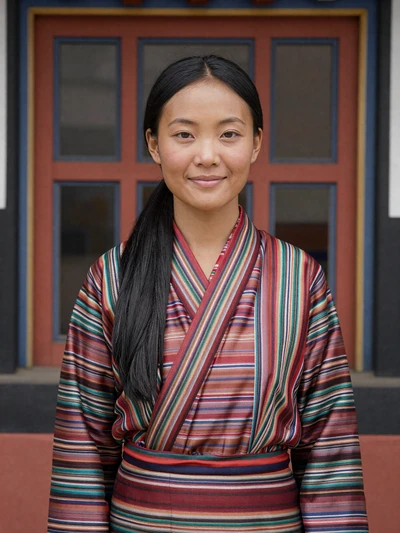
Tshering
Archery, weaving, Buddhist meditation
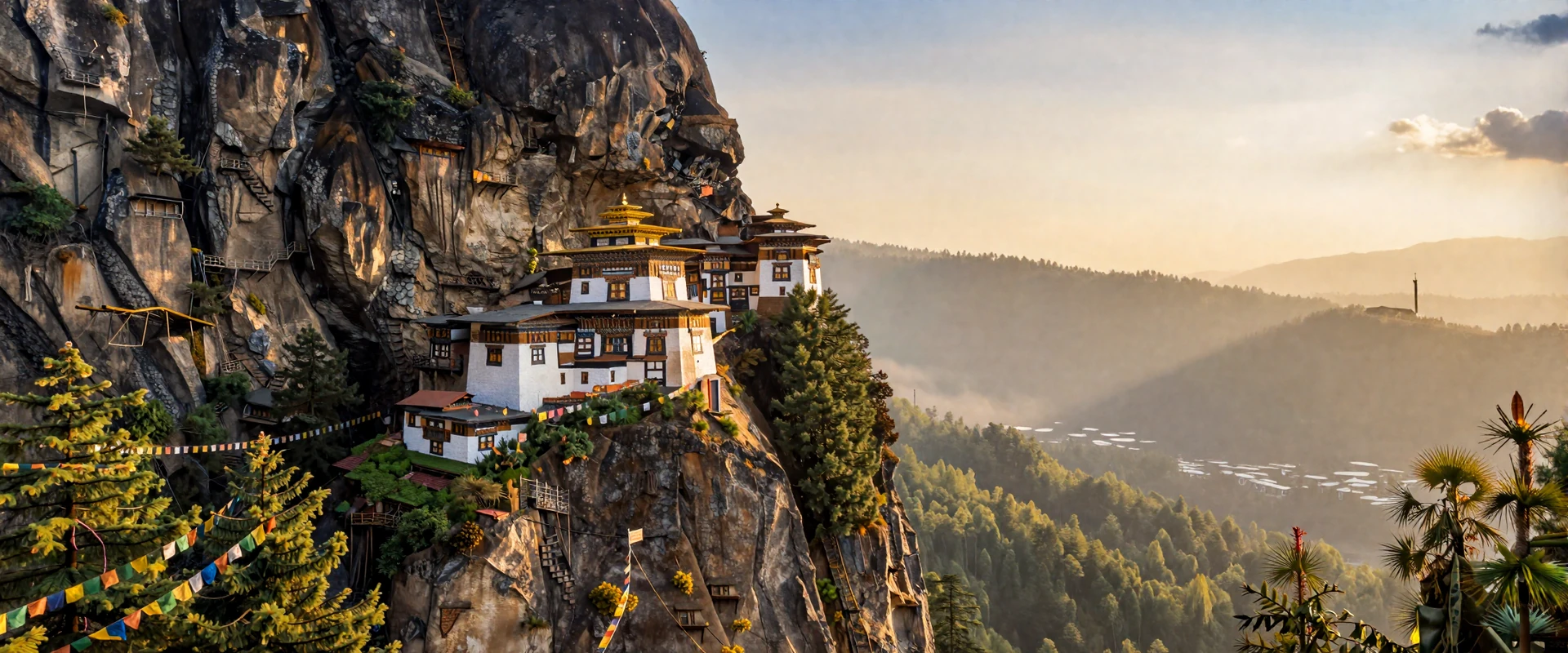
Connect with graceful, happiness-centered Bhutanese women from the world's last Himalayan Buddhist kingdom. Browse verified profiles from Thimphu, Paro, Punakha, and across Bhutan - a country where love is measured in happiness, not material wealth.
Real women, verified profiles, ready to connect
Archery, weaving, Buddhist meditation
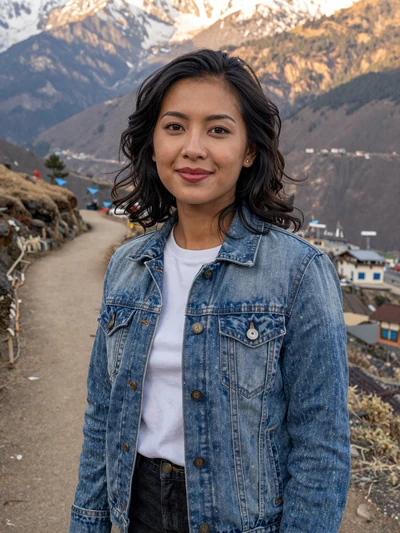
Hiking, traditional cooking, painting
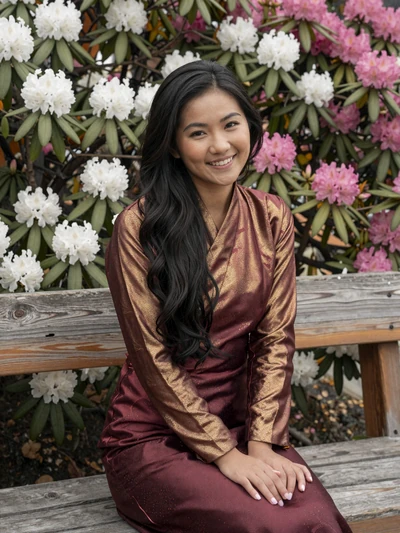
Yoga, poetry, textile art, travel
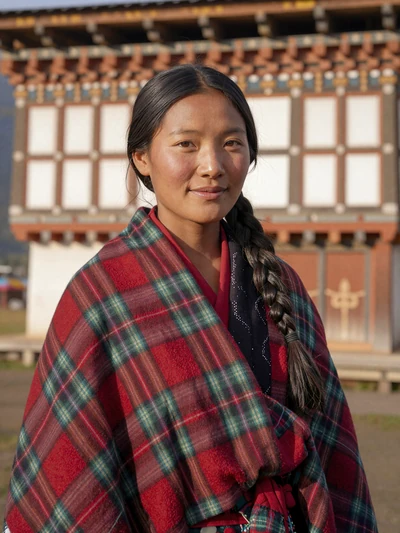
Meditation, farming, folk dance, reading

Tech, blogging, basketball, baking
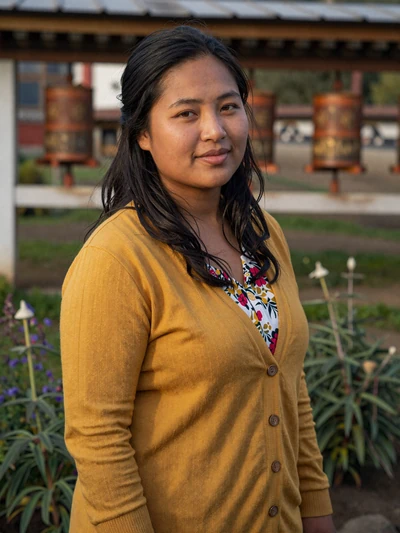
Archery, horseback riding, herbal medicine
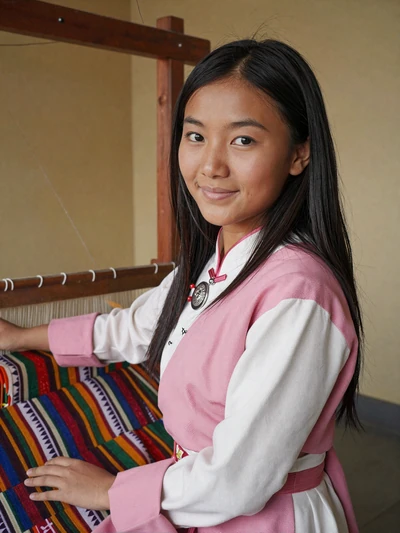
Weaving, cooking ema datshi, singing
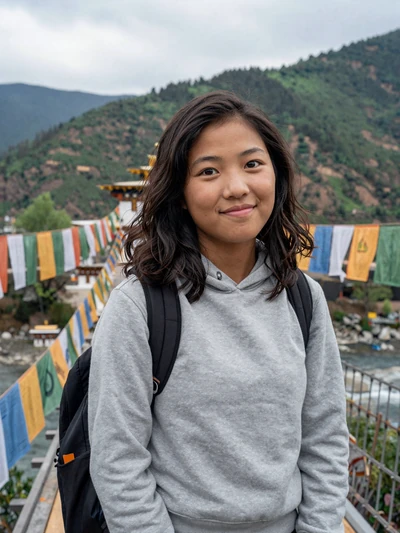
Photography, fitness, environmental science
Bhutanese women dating connects you with women from the world's only country that measures national success by Gross National Happiness rather than GDP - and that philosophy shapes every relationship a Bhutanese woman enters. Bhutan, a landlocked Himalayan kingdom of approximately 787,000 people (Royal Government of Bhutan Census, 2025), is one of Asia's smallest and most culturally preserved nations. Fewer than 400,000 tourists visited Bhutan in 2025 (Tourism Council of Bhutan), making Bhutanese women among the rarest and most genuinely distinctive partners you'll encounter on any international dating platform.
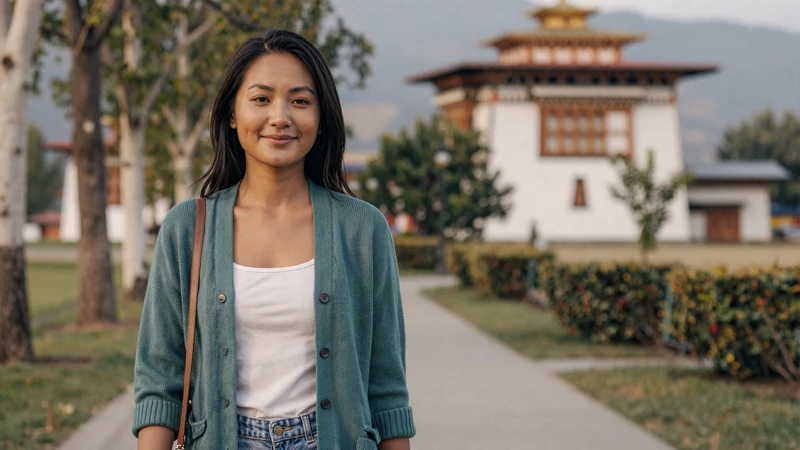
What sets Bhutanese women apart from every other category in international dating is the extraordinary intersection of Vajrayana Buddhist spirituality, matrilineal inheritance traditions found nowhere else in mainland Asia, and a national culture deliberately designed around well-being rather than consumption. A Bhutanese woman doesn't measure her partner's worth by income or status - she measures it by kindness, emotional presence, and the happiness you create together. For Western men exhausted by the transactional nature of modern dating, this is not just refreshing - it's transformative.
Bhutan's internet penetration reached 65% in 2025 (Bhutan InfoComm and Media Authority), and smartphone adoption among urban women aged 20-40 exceeds 78%. Despite the kingdom's small population, a growing number of educated Bhutanese women in Thimphu, Paro, and Punakha are exploring international connections through dating platforms - seeking partners who appreciate their unique cultural heritage while respecting their personal aspirations. The window for connecting with Bhutanese women is still remarkably uncrowded compared to countries like the Philippines, Thailand, or Japan - giving you a genuine first-mover advantage.
Bhutan is the only nation on earth that constitutionally mandates the pursuit of Gross National Happiness (GNH) as its governing principle. Adopted in the 1970s by the Fourth King, Jigme Singye Wangchuck, GNH encompasses four pillars: sustainable development, cultural preservation, environmental conservation, and good governance. According to the Centre for Bhutan & GNH Studies (2025), 91.2% of Bhutanese report being "happy" or "deeply happy" - the highest self-reported happiness rate in Asia and one of the highest globally.
Here's where it gets interesting for your dating life: this happiness philosophy isn't abstract government policy. It permeates daily behavior, family life, and - crucially - how Bhutanese women evaluate potential partners. A 2024 study by the Royal University of Bhutan found that 82% of Bhutanese women aged 20-35 ranked "emotional well-being and mutual respect" as the most important qualities in a partner, compared to just 11% who prioritized income. For Western men who bring sincerity, emotional intelligence, and genuine curiosity about Bhutan's culture, this creates an almost unparalleled opportunity for deep connection.
Consider this: in most international dating contexts, you're navigating complex dynamics around economic disparity, visa motivations, and cultural power imbalances. Bhutan is different. Despite being a developing nation, Bhutan provides universal free healthcare, free education through university, and has virtually zero homelessness. Bhutanese women aren't seeking Western partners to escape poverty - they're seeking partners who align with their philosophy of a well-lived life. That distinction fundamentally changes the quality of connection you'll experience.
One of the most remarkable aspects of Bhutanese culture - and a key reason Bhutanese women approach relationships from a position of unusual confidence - is the matrilineal inheritance system practiced across much of western and central Bhutan. Unlike nearly every other Asian society where property passes through male lines, Bhutanese tradition dictates that family homes, farmland, and assets pass from mother to daughter. According to the Bhutan National Statistics Bureau (2025), approximately 60% of agricultural land in Bhutan is owned by women.
What does this mean in practice? A Bhutanese woman you meet on our platform likely owns - or will inherit - her family home and land. She is not economically dependent on finding a wealthy husband. Her decision to pursue a relationship with you is based entirely on personal connection, shared values, and genuine attraction. This matrilineal tradition produces women who are simultaneously deeply traditional (rooted in family, land, and community) and remarkably independent (economically secure, decision-making authority within the household).
This dynamic echoes some aspects of Nepali women dating, as Nepal shares Bhutan's Himalayan geography and certain Buddhist cultural traditions. However, Nepal's patrilineal inheritance norms create fundamentally different relationship dynamics. If you appreciate the independence and confidence of Bhutanese women, understanding these cultural contrasts will help you navigate both South Asian dating categories more effectively.
"When I asked Tshering about her life in Paro, she casually mentioned she owned her family's farmhouse and six acres of apple orchards. I realized she wasn't looking for a provider - she was looking for a partner who could match her contentment and curiosity. That changed everything about how I approached our relationship." - Michael, 48, Colorado, dating a Bhutanese woman since 2025
Bhutanese dating culture is shaped by three inseparable forces: Vajrayana Buddhism, close-knit community life, and the GNH philosophy that frames all social interactions. Understanding these forces is essential for any Western man serious about connecting with a Bhutanese woman. The cultural landscape is small enough that reputation matters enormously - word travels fast in a country where everyone seems to know everyone - and your behavior reflects directly on your partner's standing within her community.
Buddhism and relationships: Approximately 75% of Bhutanese practice Vajrayana Buddhism (Drukpa Kagyu school), and Buddhist values of compassion (karuna), mindfulness, and non-attachment permeate romantic relationships. Bhutanese women don't approach love with the urgency or possessiveness common in Western dating culture. They believe genuine connection develops through patience, shared experience, and mutual respect - not grand declarations or material displays. The Buddhist concept of "sem" (mind/heart) is central: a good partner has a "good sem" - a kind, stable, generous inner nature that remains consistent regardless of circumstances.
Festival courtship - Tsechus: Bhutan's vibrant religious festivals (tsechus) have historically served as the primary social occasions where young men and women meet potential partners. Held in dzong courtyards across the country, these multi-day festivals featuring masked dances, religious ceremonies, and communal feasting create natural opportunities for courtship. While modern Bhutanese increasingly meet partners through work, education, and - since 2020 - online platforms, tsechus remain culturally significant. If you visit Bhutan, attending a tsechu with your partner is a powerful way to demonstrate respect for her traditions.
Community-based courtship: In rural Bhutan, a practice historically known as "night hunting" (bomena) involved young men visiting women's rooms at night with the understanding that if the woman accepted the visitor, a relationship (and potentially marriage) would follow. While this practice has declined significantly in modern Bhutan - the government has actively discouraged it since the 2000s - it reveals an important cultural truth: Bhutanese women have traditionally held the power of acceptance or rejection in romantic encounters. She chooses; you are chosen. This dynamic persists in modern dating contexts.
Urban vs. rural dynamics: Thimphu, with approximately 115,000 residents, is Bhutan's only major city and the center of its modest but growing modern economy. Women in Thimphu work in government, tourism, NGOs, technology, and business. They wear both traditional kira and Western casual clothing, speak English fluently in professional contexts, and are comfortable with international communication through WhatsApp, Instagram, and dating apps. Paro and Punakha women tend to be more traditional but equally warm and open to genuine connections. Women from smaller dzongkhags (districts) like Bumthang, Trongsa, and Haa are deeply rooted in agricultural life, Buddhist practice, and weaving traditions.
| Cultural Aspect | Bhutanese Tradition | Western Expectation |
|---|---|---|
| Gender Roles | Matrilineal inheritance; women own property and make household decisions; men often move into wife's family home | Typically patrilineal; property often shared or male-inherited; nuclear household formation |
| Family Structure | Extended family under one roof; grandmother often the family authority; community interdependence | Nuclear family emphasis; independence from parents after marriage; individual household |
| Marriage Process | Community and family involvement; Buddhist blessing ceremonies (often informal); no lavish weddings required | Individual choice; formal engagement, ceremony, legal registration; significant expense expected |
| Religious Role | Vajrayana Buddhism central to daily life; prayer flags, morning offerings, monastery visits are routine | Religion often private/optional; daily spiritual practice uncommon in most Western households |
| Daily Life Priorities | GNH-oriented: balance between work, spiritual practice, community service, and family time | Career-achievement oriented: productivity, financial goals, individual success metrics |
| Communication Style | Indirect, gentle, humor-driven; avoiding confrontation is a cultural virtue; silence can mean contentment | Direct, assertive, problem-solving oriented; silence often interpreted as discomfort or avoidance |
| Conflict Resolution | Mediation through elders or community; Buddhist emphasis on patience and understanding; rarely raised voices | Direct confrontation, verbal processing, couples therapy; disagreement expressed openly |
In a country of fewer than 800,000 people - where most communities number in the hundreds - family and community approval of your relationship isn't just important, it's inescapable. Bhutanese society operates on deep interconnectedness: your partner's parents, grandparents, aunts, uncles, and neighbors will all form opinions about you, and those opinions matter. A 2025 survey by the National Commission for Women and Children of Bhutan found that 76% of Bhutanese women consider family approval "essential" before committing to a long-term relationship with a foreigner.
But there's a catch - and it's a positive one. Because Bhutanese families are guided by Buddhist principles of compassion and non-judgment, the "approval process" is far less intimidating than in many other Asian cultures. There's no dowry negotiation, no caste scrutiny, no financial demands. Bhutanese families primarily want to know three things: Are you kind? Do you respect their daughter's culture? Will you make her happy? If the answers are yes, acceptance tends to be warm, genuine, and enduring.
The matrilineal tradition means your relationship with her mother is particularly important. In western Bhutan, the mother is the household head and primary decision-maker. Winning her mother's respect - through politeness, genuine interest in family traditions, and willingness to participate in household life during visits - establishes the foundation for everything that follows. Don't bring expensive gifts; bring curiosity and willingness to help in the kitchen.
Families across the broader Himalayan region share certain values of community-based courtship. If you're also considering connections with Indian women - particularly from northeastern states like Sikkim and Arunachal Pradesh that border Bhutan - you'll find cultural overlaps in Buddhist traditions, though India's vastly larger and more diverse society creates very different dating dynamics.
Building a genuine connection with a Bhutanese woman requires understanding her unique cultural framework and adapting your approach accordingly. Bhutanese courtship rewards patience, authenticity, and cultural humility over speed, assertiveness, or material displays. Here's your practical guide based on insights from couples who've successfully navigated this cross-cultural path:
Understand driglam namzha - Bhutan's national code of etiquette governs dress, behavior, and social interaction. Ask her to teach you the basics; showing respect for this system signals deep cultural awareness.
Learn basic Dzongkha - "Kuzu zangpo la" (hello), "Gaday bay zhuu" (thank you), "Nga gee choe ga ga" (I like you) create powerful emotional connections.
Respect Buddhist values - she may begin each morning with a prayer or butter lamp offering. Never interrupt spiritual practice; instead, ask to learn about her rituals.
Embrace her independence - Bhutanese women own property and make decisions. Paternalistic behavior is deeply unattractive in a culture where women hold real authority.
Be patient with communication pace - Bhutanese culture values thoughtful speech over rapid-fire messaging. She may take hours to respond, not from disinterest, but from cultural preference for considered communication.
Show interest in archery - Bhutan's national sport is deeply woven into social life. Asking about archery tournaments shows you understand what matters to her community.
Never criticize the King or Royal Family - Bhutanese people deeply revere their monarchy. The King and Queen are seen as national parents. Any disrespect here will end your relationship instantly.
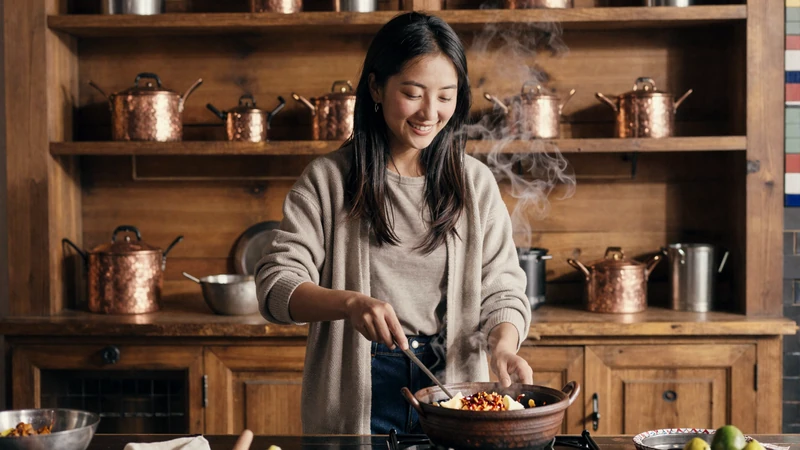
Food is a meaningful connection point. Bhutanese cuisine centers on ema datshi - chili peppers cooked with local yak cheese - which is essentially the national dish. Other staples include red rice, momos (dumplings), phaksha paa (pork with chili), and jasha maru (spicy chicken stew). Bhutanese women cook with extraordinary amounts of chili - Bhutan consumes more chili per capita than any nation on earth (FAO, 2024). When she offers you ema datshi, eat it enthusiastically, even if your mouth is on fire. Your willingness to share her food - heat and all - communicates respect more powerfully than any words.
Visiting Bhutan is unlike traveling anywhere else in Asia - and requires specific planning. Bhutan operates a "High Value, Low Volume" tourism policy that requires all international visitors (except citizens of India, Bangladesh, and Maldives) to pay a Sustainable Development Fee (SDF) of $100 per day (reduced from $200 in late 2024 by the Tourism Council of Bhutan). Combined with mandatory tour operator bookings for certain activities, Bhutan visits require more advance planning and higher budgets than most Asian destinations.
For detailed logistics on international trip planning - including packing lists, cultural preparation checklists, and budgeting tools - our planning your first trip to meet an Asian girlfriend guide provides comprehensive advice applicable across all Asian destinations.
Bhutanese women bring qualities to relationships that are genuinely rare in the modern world - qualities shaped by a culture that has deliberately resisted the consumerism, individualism, and disposability that characterize many contemporary societies. Understanding what makes them exceptional helps explain why Bhutanese women dating, though niche, attracts deeply committed men.
Emotional stability rooted in Buddhist practice: Bhutanese women grow up with meditation, mindfulness, and Buddhist philosophy as integral parts of daily life - not weekend hobbies. According to the Centre for Bhutan & GNH Studies, 68% of Bhutanese women meditate at least weekly. This produces partners with remarkable emotional regulation: they don't escalate conflicts, they don't manipulate through guilt or drama, and they approach relationship challenges with a patience that Western partners often find profoundly calming.
Artisan skills and cultural richness: Bhutanese women are among Asia's most skilled textile artists. Hand-weaving on traditional looms is practiced by over 65% of rural women (National Commission for Women and Children, 2025), producing intricate fabrics valued at $200-$5,000 per piece on the international market. A Bhutanese partner brings not just a beautiful aesthetic sensibility but a deep understanding of patience, craftsmanship, and the value of creating something beautiful with one's hands.
Why does this matter? Because the qualities that make someone a master weaver - patience, attention to detail, persistence through complexity, ability to see the whole pattern while focusing on each thread - are precisely the qualities that sustain long-term relationships. Bhutanese women approach partnership with the same disciplined care they bring to their looms.
Education and bilingualism: Bhutan's education system, conducted entirely in English since the 1960s, produces women with strong English proficiency - particularly in urban areas. The Royal University of Bhutan reports that 52% of enrolled students are female (2025), and women increasingly dominate fields like education, healthcare, civil service, and tourism management. Your Bhutanese partner will likely speak fluent English in addition to Dzongkha (and possibly Sharchopkha or Nepali, depending on her region), eliminating the language barriers that complicate many international relationships.
Environmental consciousness: Bhutan is the world's only carbon-negative country, with 72% forest cover constitutionally protected. Bhutanese women grow up with deep environmental awareness - sustainability isn't a trend but a way of life. If you value a partner who cares about the planet, avoids wasteful consumption, and finds joy in nature rather than shopping, a Bhutanese woman aligns perfectly with these values.
Due to Bhutan's tiny population, the number of Bhutanese women on international dating platforms is naturally small - making each genuine profile especially valuable. Dating Love Stories verifies every Bhutanese profile through Bhutan Citizenship Identity Card (CID) verification, real-time photo matching, and optional video calls conducted by our Thimphu-based team. Our moderators are native Dzongkha speakers who understand regional cultural contexts and can identify profiles that misrepresent nationality (some scammers use Bhutanese identity claims due to the country's positive reputation).
Because the Bhutanese dating pool is small, patience is essential. You may browse fewer profiles than for larger countries like India or the Philippines, but the quality and sincerity of connections tend to be exceptionally high. Bhutanese women who choose to join international dating platforms do so with deliberate intention - they're serious about finding a compatible partner, not casual about collecting matches.
For general online dating safety strategies - including how to verify identities, protect personal information, and recognize common scam patterns - our red flags in online dating safety guide provides comprehensive protection strategies.
The typical relationship trajectory for Bhutanese-Western couples on our platform follows a measured, culturally appropriate pace. Most couples exchange messages for 4-8 weeks before their first video call, continue regular video communication for 3-6 months, and then plan a 7-14 day visit to Bhutan. The family introduction typically occurs during this first visit - often naturally, as Bhutanese social life is so interconnected that your presence in her town will quickly become known to her family and community.
For US-based men pursuing the K-1 fiancée visa process, Bhutanese nationals file through the US Embassy in New Delhi, India (the nearest US Embassy with immigrant visa services). Processing times average 12-16 months. The small number of Bhutanese K-1 applications means consular officers may be less familiar with Bhutanese cultural norms - thorough documentation of your relationship (video call logs, chat transcripts, photos from your Bhutan visit, evidence of your partner's family's support) is especially important.
Our visa and immigration guide for international couples covers the K-1 process in detail, including documentation requirements and timelines. For inspiration from couples who've completed this journey, visit our success stories page.
Bhutanese women dating is one of the most unique and rewarding paths in international relationships in 2026. These women come from a culture that has consciously chosen happiness over wealth, community over individualism, and sustainability over consumption - values that align perfectly with Western men seeking depth, authenticity, and lasting partnership. If you're ready to connect with a woman who measures life's success by the joy she creates rather than the possessions she accumulates, Bhutanese women offer something genuinely extraordinary. Create your free profile today, explore our verified Bhutanese profiles from Thimphu to Bumthang, and discover love in the land where happiness comes first.
Three defining qualities shaped by the world's happiest kingdom
Raised with daily meditation and Vajrayana Buddhist philosophy, Bhutanese women bring extraordinary emotional stability to relationships. They don't escalate conflicts or create drama - instead, they approach challenges with patience, compassion, and the deep calm that comes from a genuine spiritual practice woven into everyday life.
Bhutan's matrilineal traditions produce women who own land, make family decisions, and carry themselves with quiet confidence. A Bhutanese woman doesn't need a partner to complete her - she chooses one to share her already abundant life. Her strength isn't loud; it's as solid and enduring as the mountains she calls home.
Bhutanese women are among Asia's most skilled weavers, creating intricate kira fabrics that take months to complete. This artisan heritage cultivates patience, precision, and the ability to see beauty in every detail - qualities that translate directly into how they nurture relationships, homes, and families with meticulous care.
Yes, foreigners can date and marry Bhutanese women. Bhutan has no legal restrictions on international relationships. However, Bhutanese citizenship law states that a Bhutanese woman who marries a foreign national retains her citizenship, while her partner must apply separately for residency or citizenship through naturalization (minimum 15-20 years of residence). Many Bhutanese-Western couples choose to live abroad, with the Bhutanese partner maintaining strong family connections through regular visits. The key requirement is genuine intention - Bhutanese families expect suitors to demonstrate serious long-term commitment.
Dating in Bhutan blends traditional Buddhist values with growing modern influences. In urban Thimphu, young professionals meet through work, social events, and increasingly through online platforms. Courtship is typically gradual and community-involved - privacy exists, but your relationship will naturally become known to family and friends in Bhutan's close-knit society. Public displays of affection are uncommon. The Buddhist emphasis on compassion, patience, and mindfulness shapes how Bhutanese women approach romantic relationships - they value emotional depth and consistency over intensity or material displays. Religious festivals (tsechus) remain important social occasions for meeting potential partners.
Bhutanese women are traditional in the sense that they deeply value Buddhist spirituality, family bonds, cultural heritage, and community life. However, they are not submissive or passive - Bhutan's matrilineal inheritance system means women own property, make household decisions, and carry significant social authority. Over 52% of university students in Bhutan are female (Royal University of Bhutan, 2025), and women increasingly hold professional positions in government, healthcare, and tourism. A Bhutanese woman combines cultural rootedness with personal independence in a way that's genuinely unique in Asia.
Yes, though international marriages remain relatively uncommon due to Bhutan's small population (~787,000) and limited tourism exposure. Bhutanese women who marry foreigners typically meet through professional networks, educational exchanges abroad, or international dating platforms. Family approval is important but generally given when the foreign partner demonstrates respect for Bhutanese culture, genuine commitment, and good character. The K-1 fiancée visa process for Bhutanese nationals is processed through the US Embassy in New Delhi, with average processing times of 12-16 months. Our platform has facilitated successful connections between Western men and Bhutanese women since 2023.
The national language is Dzongkha, but Bhutan's education system has been conducted in English since the 1960s, making English proficiency remarkably high - especially among educated urban women. Most Bhutanese women on international dating platforms speak conversational to fluent English. Regional languages include Sharchopkha (eastern Bhutan), Bumthangkha (central Bhutan), and Lhotshamkha (Nepali-origin communities in southern Bhutan). The strong English foundation means language barriers are minimal compared to many other Asian dating categories - a significant advantage for building deep, nuanced communication from the start.