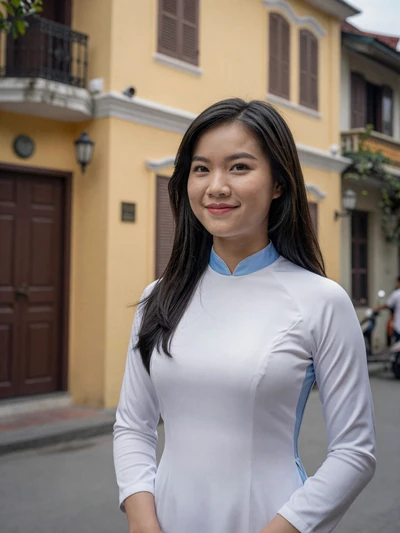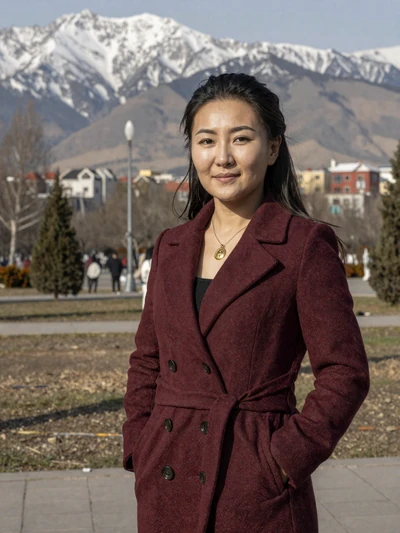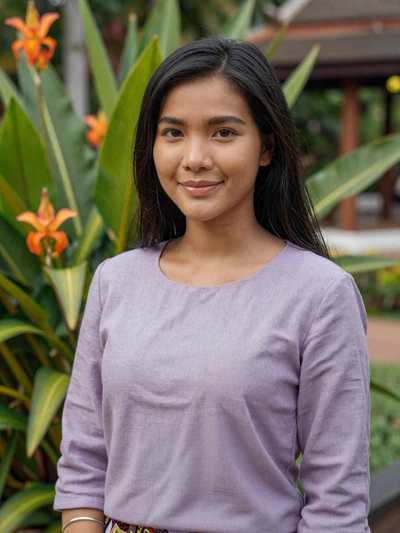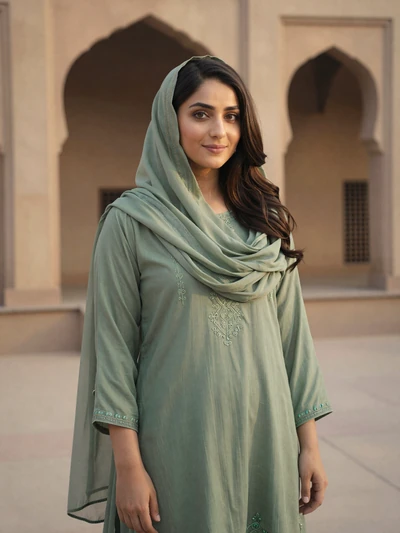
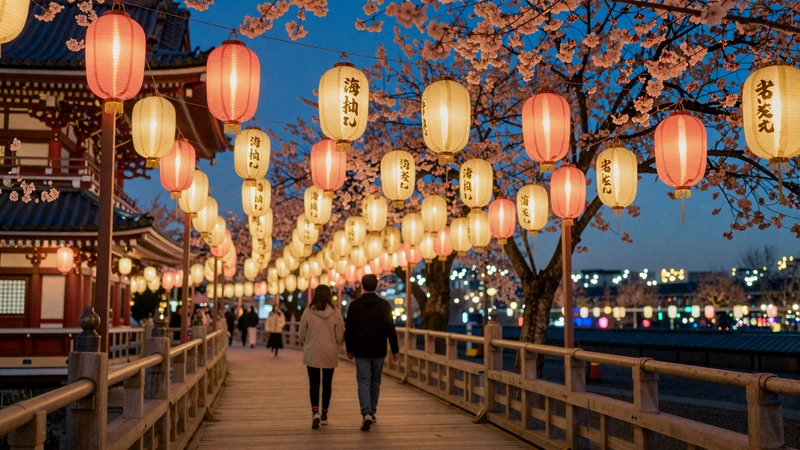
Asian dating culture is not one tradition - it is a tapestry of 33 distinct national identities, each shaped by religion, history, geography, and generational change. A 2025 Statista report found that the online dating market across Asia-Pacific reached $4.3 billion in revenue, reflecting the rapid modernization of courtship alongside centuries-old customs. For Western men exploring connections through Asian women dating platforms like Dating Love Stories, understanding these cultural nuances is the single most important step before your first conversation.
This guide maps the dating landscape across four major Asian regions - East Asia, Southeast Asia, South Asia, and Central Asia - giving you actionable knowledge that builds respect, avoids missteps, and deepens genuine connection.
A Journey Through Asian Dating Traditions by Region
Asia spans from the Bosphorus to the Pacific, encompassing Buddhist monasteries, Islamic mosques, Hindu temples, and Christian churches. Each cultural zone approaches romance, courtship, and marriage differently. The table below provides a high-level comparison before we explore each region in depth.
| Aspect | East Asia | Southeast Asia | South Asia | Central Asia |
|---|---|---|---|---|
| Family Role | High - parental approval expected | High - elders guide decisions | Very high - family often initiates | High - clan and extended family involved |
| Primary Religion | Buddhism, Confucianism, Shinto | Buddhism, Catholicism, Islam | Hinduism, Islam, Sikhism | Islam, some Buddhism |
| Dating Openness | Moderate - urban areas more open | Moderate to high - varies by country | Conservative - evolving in cities | Conservative - modernizing gradually |
| Typical Marriage Timeline | 1-3 years of dating | 6 months-2 years | Often arranged, 3-12 months courtship | 6 months-2 years, family-led |
| Public Affection | Reserved, varies by generation | Casual but context-dependent | Minimal - private expression valued | Rare - modesty is paramount |
East Asia - Structure, Respect, and Formality
East Asian dating culture operates on a foundation of indirect communication, respect for hierarchy, and clearly defined relationship milestones. In Japan, the practice of kokuhaku - a formal verbal confession of romantic feelings - marks the official beginning of an exclusive relationship. Without kokuhaku, two people going on dates may not consider themselves a couple at all. This formality surprises many Western men who assume mutual interest is self-evident.
In South Korea, couples celebrate "100-day anniversaries" alongside monthly milestones, reflecting the culture's emphasis on consistency and devotion. Public displays of affection are more accepted among younger Koreans than in Japan or China, but respect for age hierarchies - hyeong and nuna honorifics based on seniority - remains non-negotiable even in casual dating.
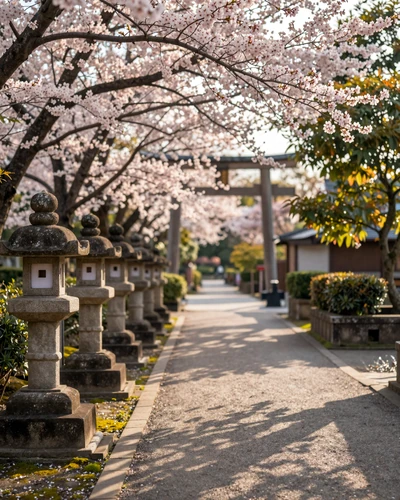
China adds another layer: intense societal pressure to marry before age 30, with unmarried women labeled "sheng nu" (leftover women). China's famous "marriage markets" - open-air gatherings in parks where parents post their children's résumés seeking partners - illustrate how family involvement in dating remains deeply embedded. For a deeper exploration of these dynamics, see our guide to Japanese women dating, which covers kokuhaku etiquette and practical communication tips.
In East Asia, patience and formality are signs of respect - not disinterest. Avoid rushing physical intimacy or assuming exclusivity without a clear conversation. Let the relationship develop through its natural cultural milestones.
Southeast Asia - Warmth Meets Tradition
Southeast Asian dating cultures are often described as the most approachable for Western men, blending genuine warmth with deep-rooted respect for family and religion. In Thailand, the concept of sanuk (having fun) permeates daily life, including dating - but beneath the lightheartedness lies a firm expectation of respect toward elders. Meeting a Thai woman's parents is a serious step, and a man who shows genuine courtesy to her family earns lasting trust.
Vietnam maintains more conservative courtship traditions. According to a 2024 Pew Research study, 72% of Vietnamese adults believe marriage should precede cohabitation. The family's opinion on a potential partner carries significant weight, and indirect communication - saying "maybe" instead of "no" to preserve harmony - is standard. Learning to read between the lines is essential when dating Vietnamese women.
The Philippines stands apart in the region due to its Catholic heritage and strong Western cultural influence. Filipino women often expect chivalrous gestures - opening doors, paying for meals, and consistent follow-through on promises. Sincerity matters more than grand gestures. A 2025 survey by Filipino dating platform Blossoms.com found that 89% of Filipina women prioritize "consistency and honesty" over a partner's income level.
"The greatest gift you can bring to a cross-cultural relationship is not money or status - it is patience and the willingness to learn." - Dr. Suchada Langka, Cross-Cultural Relationship Researcher, Chulalongkorn University
South Asia - Heritage and Family at the Center
South Asian dating culture places family at the absolute center of romantic decisions. In India, where over 1.4 billion people navigate extraordinary cultural, linguistic, and religious diversity, dating norms vary dramatically between Mumbai's cosmopolitan dating scene and rural Rajasthan's arranged-marriage traditions. A 2025 ICRW report found that 55% of Indian marriages still involve family-initiated matchmaking, though urban millennials increasingly use dating apps alongside parental input.
For Western men interested in Indian women dating, understanding the role of caste, religion, and regional identity is crucial. An Indian woman from a Sikh family in Punjab will have different expectations than a Catholic woman from Kerala or a Hindu woman from Bengal. Asking respectful questions about her background - rather than assuming homogeneity - signals genuine interest.
In Pakistan and Bangladesh, Islamic values guide courtship norms. Public dating is less common, and relationships typically progress toward marriage with family involvement from early stages. However, the diaspora - particularly in the US, UK, and Canada - often navigates a blend of traditional and Western expectations, creating a nuanced dating dynamic that rewards open communication about boundaries.
- India: Expect to meet her family relatively early; showing respect to parents is paramount
- Pakistan: Courtship is private; long conversations and emotional connection precede any physical meeting
- Bangladesh: Urban Dhaka is modernizing, but conservative values remain strong outside the capital
- Nepal & Sri Lanka: Hindu and Buddhist traditions shape dating norms, with significant regional variation
Central Asia - Bridging Tradition and Modernity
Central Asian nations - Kazakhstan, Uzbekistan, Kyrgyzstan, Tajikistan, and Turkmenistan - represent a fascinating intersection of Turkic nomadic heritage, Persian culture, Soviet-era secularism, and Islamic tradition. Women from this region often combine modern education with strong family loyalty. In Kazakhstan, for example, 67% of women hold university degrees (UNESCO, 2024), yet traditional expectations around hospitality and gender roles remain influential.
Uzbekistan's Silk Road heritage infuses dating culture with an emphasis on generosity, storytelling, and communal meals. Inviting a man to share tea is a meaningful gesture. Meanwhile, Kyrgyzstan's nomadic roots mean that family gatherings - often in yurts during summer festivals - serve as natural settings for courtship. Understanding these contexts transforms what might seem like a casual invitation into a significant cultural milestone.
Universal Tips for Cross-Cultural Dating Success
Regardless of which Asian region you are connecting with, certain principles apply universally. These are the practical strategies that distinguish respectful, successful cross-cultural relationships from fleeting encounters:
- Learn basic greetings in her language. Even five phrases - hello, thank you, how are you, beautiful, and goodbye - demonstrate effort that transcends any language barrier.
- Ask about her culture before assuming. "What traditions are important to your family?" opens a deeper conversation than any assumption ever could.
- Respect the pace she sets. Physical and emotional timelines vary enormously across cultures. Let her guide the progression.
- Understand the family dynamic. In most Asian cultures, winning her family's approval is not optional - it is the relationship itself.
- Be transparent about your intentions. Women investing in cross-cultural connections need to know you are serious. Ambiguity is the fastest way to lose trust.
Never generalize "Asian culture" as a single entity. Telling a Vietnamese woman that you "love Asian food" without specifying pho, banh mi, or bun cha feels generic. Specificity shows respect and genuine interest - the two traits women across every Asian culture value most.
Summary: Building Bridges Across Cultures
Your Cross-Cultural Dating Checklist
- Research her specific country and culture - Asia spans 33 nations with distinct traditions
- Family approval matters in every region; meeting parents is a milestone, not a formality
- Communication styles range from Japan's indirectness to the Philippines' openness - adapt accordingly
- Patience and consistency outperform grand gestures in every Asian dating culture
- State your relationship intentions clearly - ambiguity erodes trust across all cultures
- Learn her language basics and ask genuine questions about her traditions
Understanding Asian dating culture is not about memorizing rules - it is about approaching each woman as an individual shaped by a rich cultural context. The men who build lasting relationships through platforms like Dating Love Stories are those who invest time in cultural literacy before investing in plane tickets. Start with curiosity, lead with respect, and let the relationship unfold at its own culturally-informed pace.