
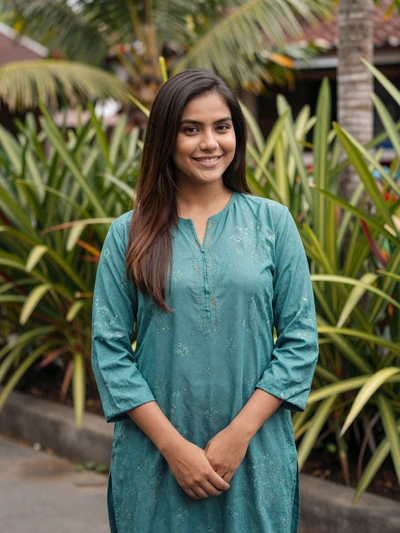
Nurul Aisyah
Cooking rendang, hiking, photography
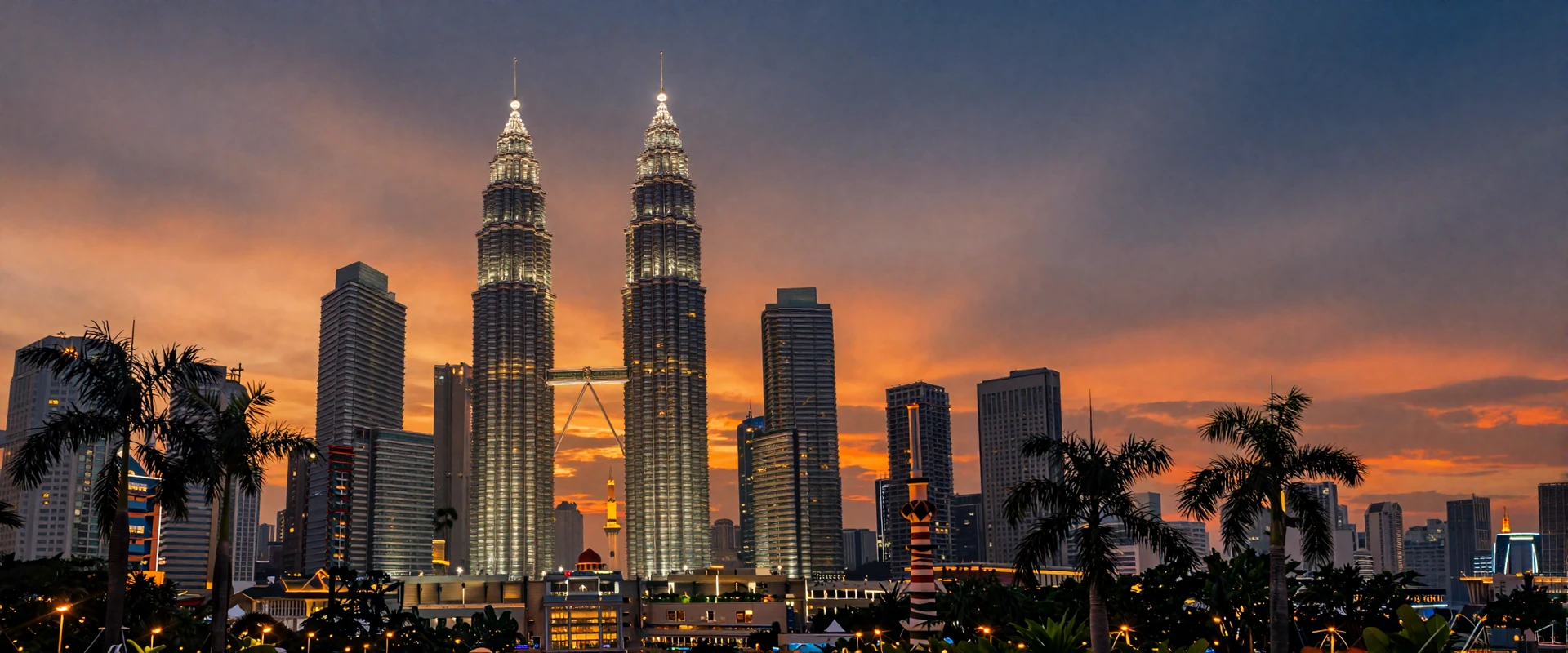
Discover love in Southeast Asia's most multicultural nation. Meet verified Malay, Chinese-Malaysian, and Indian-Malaysian women from Kuala Lumpur, Penang, and across this vibrant tropical paradise.
Real women, verified profiles, ready to connect
Cooking rendang, hiking, photography

Street food tours, filmmaking, badminton
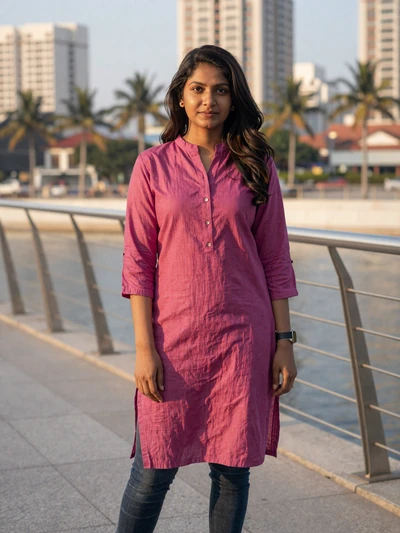
Yoga, Bollywood dance, teaching
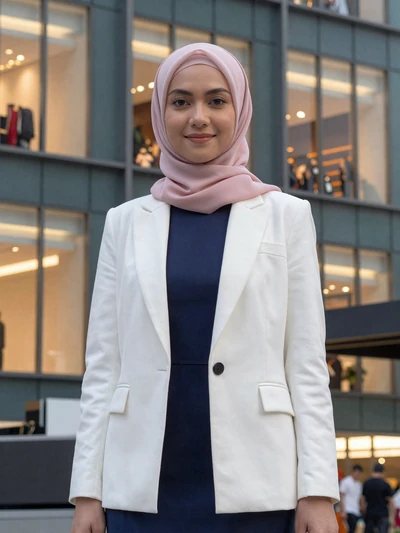
Fashion design, travel, nasi lemak recipes

Scuba diving, marine biology, hiking Kinabalu
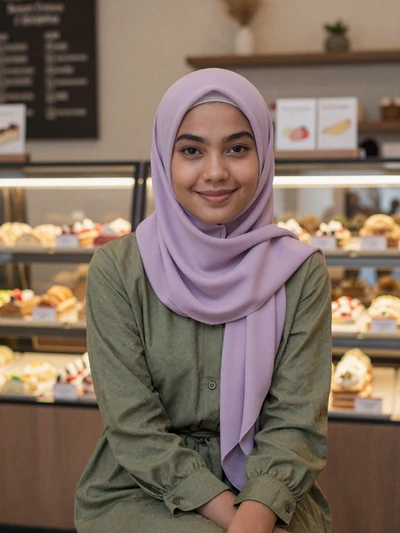
Calligraphy, baking, volunteer work
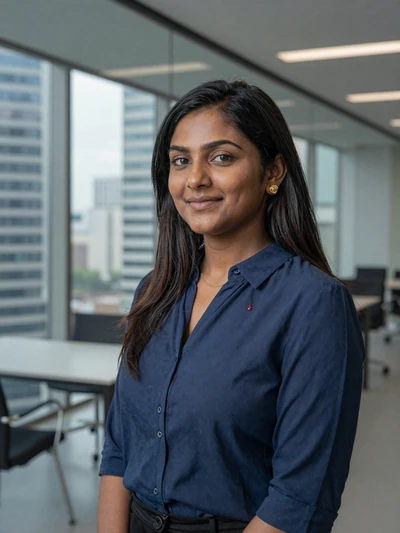
Software engineering, hiking, classical dance
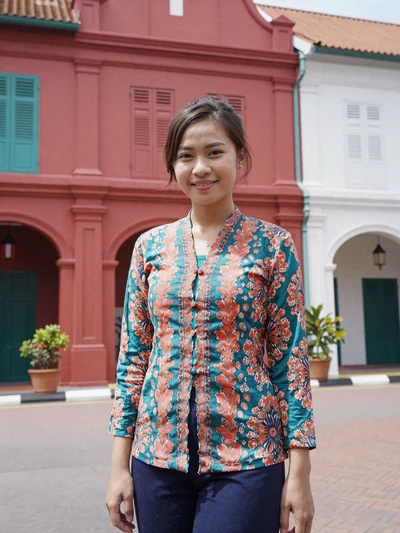
Heritage tourism, cooking laksa, history
Malaysian women dating opens the door to one of Southeast Asia's most fascinating multicultural societies. Malaysia is not a single culture - it is three civilizations woven into one nation. With a population of approximately 34 million (Department of Statistics Malaysia, 2025), the country is home to Bumiputera Malays (69.8%), Chinese-Malaysians (22.4%), Indian-Malaysians (6.8%), and indigenous communities - each bringing distinct traditions, religions, languages, and approaches to romance. For Western men seeking depth, education, and cultural richness in a partner, Malaysian women represent a remarkable spectrum of possibilities that no other single country in Asia can match. Whether she's a hijab-wearing Malay software engineer in Kuala Lumpur, a Penang-born Chinese-Malaysian filmmaker, or a Tamil-heritage dance teacher in Johor Bahru, the woman you meet through Malaysian women dating carries the unique advantage of having grown up navigating multiple cultures daily - a skill that translates directly into the adaptability and empathy that cross-cultural relationships demand.
Malaysia's economic development places it firmly in upper-middle-income territory, with GDP per capita reaching $14,200 in 2025 (World Bank). This matters because Malaysian women on international dating platforms are overwhelmingly educated, financially independent, and searching for genuine emotional connection - not an economic escape route. According to UNESCO's 2025 Global Education Monitoring Report, Malaysia's female tertiary enrollment rate stands at 52.3%, meaning more Malaysian women attend university than men. English is widely spoken as a second language, with Malaysia ranking 25th globally on the EF English Proficiency Index (2025) - the highest in Southeast Asia. These factors make Malaysian women dating one of the most accessible and rewarding international dating experiences available today.
What separates Malaysian women dating from other Southeast Asian categories is the multicultural foundation that shapes every woman's worldview. A Malaysian woman doesn't just know her own culture - she grew up eating nasi lemak at a Malay stall for breakfast, dim sum at a Chinese kopitiam for lunch, and roti canai at an Indian mamak restaurant for dinner. This daily cultural fluidity produces women who are naturally tolerant, adaptable, and curious about other ways of life. A 2025 survey by the Asian Barometer found that 78% of Malaysian women aged 20-40 described themselves as "comfortable with intercultural relationships," the highest figure in any Muslim-majority country surveyed.
Here's the thing: Malaysia's multicultural reality means your dating experience varies dramatically depending on which community your partner belongs to. Malay-Muslim women (the majority) follow Islamic courtship norms - halal dating practices, family involvement, and a clear expectation of marriage as the relationship's goal. Chinese-Malaysian women tend toward more liberal dating norms influenced by Chinese cultural pragmatism and, in many cases, Christian or Buddhist values that place less formal structure on courtship. Indian-Malaysian women often blend Hindu family traditions with modern Malaysian cosmopolitanism, creating a dating dynamic that values emotional connection and family approval in equal measure.
The cultural parallels with Indonesian women dating are significant - both nations share the Malay language (Bahasa Malaysia and Bahasa Indonesia are mutually intelligible at about 80% lexical similarity), Islamic cultural frameworks, and Southeast Asian hospitality traditions. However, Malaysia's higher economic development, stronger English proficiency, and more established multicultural infrastructure make the dating experience distinctly different. Similarly, Singaporean women dating shares the Chinese-Malay-Indian demographic mix, but Singapore's hyper-urban, high-pressure lifestyle creates different relationship dynamics than Malaysia's more relaxed, spacious environment.
Malay women - who make up the majority of Malaysia's female population - navigate dating through the lens of Islam and Malay adat (customary law). Understanding these frameworks is essential, not optional. For Malay women, Islam is not just a religion - it is a comprehensive life system that governs food choices (halal), social interactions, dress codes (many but not all Malay women wear hijab), and the trajectory of romantic relationships. The concept of "halal dating" - getting to know a potential partner within boundaries that respect Islamic principles - is the norm. This means: meetings in public places, family awareness of the relationship from an early stage, avoidance of physical intimacy before marriage, and a clear, stated intention of marriage as the relationship's purpose.
The bottom line: if you're interested in a Malay-Muslim woman, stating your long-term intentions early is not premature - it's expected. A 2025 study by the International Islamic University Malaysia found that 87% of Malay women aged 22-35 consider "clear marriage intentions within the first month of communication" a prerequisite for continuing a relationship. Her family will be involved - meeting her parents within the first 2-3 months of serious dating is standard. The traditional "merisik" (investigation) process, where the man's family discreetly inquires about the woman's availability and family background, still occurs in more traditional families, though urban KL Malay women may streamline this process considerably.
Despite these structures, modern Malay women in KL, Penang, and other cities are far from passive. They hold advanced degrees, run businesses, travel internationally, and use dating apps actively. The Islamic framework provides structure and safety, not restriction - and many Western men who initially find these norms unfamiliar come to deeply appreciate the clarity, seriousness, and respect that halal dating brings to the relationship-building process.
Chinese-Malaysians - approximately 7.6 million people - form the second-largest community and bring distinctly different dating dynamics. Influenced by Chinese cultural values of pragmatism, education, and family continuity, as well as significant Christian (30%) and Buddhist (60%) religious backgrounds, Chinese-Malaysian women approach dating with a blend of emotional openness and practical assessment. The courtship process is typically more relaxed than in Malay-Muslim circles: dating before marriage is accepted, physical affection develops naturally, and family introductions happen when the relationship reaches a serious stage rather than at its beginning.
"Dating Mei was like discovering that someone could be simultaneously deeply traditional and completely modern. She honored her grandmother's Hokkien recipes and Lunar New Year rituals while also being the most ambitious marketing director I've ever met. In Malaysia, women don't choose between culture and career - they master both." - David, 44, Texas, married to a Chinese-Malaysian woman in 2025
What does this mean in practice? Chinese-Malaysian women value financial stability and career ambition in partners - not because they need financial support (many earn excellent salaries), but because shared drive signals compatibility. Ancestral traditions like consulting a Chinese astrologer for date compatibility (based on birth year and zodiac signs) still occur in some families, especially among older generations. The Peranakan (Straits Chinese) subculture in Malacca and Penang adds yet another layer - these families blend Chinese and Malay traditions in a unique cultural fusion that produces women of extraordinary cultural depth.
Indian-Malaysians - predominantly Tamil, with smaller Malayali, Telugu, and Punjabi communities - bring the warmth, expressiveness, and family-centered values of South Asian culture into the Malaysian context. Hindu and Christian religious backgrounds shape courtship norms, with family approval remaining important but arranged marriages declining sharply among younger generations. According to the Malaysian Indian Congress's 2025 community survey, only 18% of Indian-Malaysian women under 35 describe their parents as having "significant influence" on partner choice, down from 52% in 2005.
Indian-Malaysian women often describe themselves as the "best of both worlds" - they carry the emotional depth, culinary traditions, and family loyalty of Indian culture while benefiting from Malaysia's modern education system, multicultural exposure, and economic opportunities. Deepavali celebrations, temple visits, and Bharatanatyam dance performances coexist with corporate careers, international travel, and cosmopolitan social lives. For Western men who appreciate emotional expressiveness, intellectual conversation, and partners who wear their hearts openly, Indian-Malaysian women offer a deeply rewarding connection. The cultural context shares elements with Indian women dating, but Malaysian-Indian women typically have higher English fluency and more exposure to Western social norms.
| Aspect | Malay Community | Chinese Community | Indian Community |
|---|---|---|---|
| Primary Religion | Islam (mandatory for ethnic Malays by law) | Buddhism (60%), Christianity (30%), Taoism (10%) | Hinduism (80%), Christianity (15%), Islam (5%) |
| Family Role in Dating | Central - parents involved from early stages; formal merisik process | Important but secondary - family meets partner when relationship is serious | Significant but evolving - parental blessing valued, arranged marriages declining |
| Dating Pace | Structured and deliberate; marriage intention stated within first month | Moderate; 6-12 months of dating before discussing marriage is typical | Emotionally expressive; relationship deepens through shared family events |
| Communication Style | Respectful and somewhat indirect; modesty valued in early interactions | Direct and pragmatic; values honesty and clear communication | Warm, expressive, and emotionally open; conversation flows naturally |
| Marriage Customs | Islamic nikah ceremony; mahr (bride gift) required; multi-day celebration (kenduri) | Tea ceremony; Chinese banquet (8-10 courses); ang pow (red envelope) gifts | Hindu temple ceremony (vivah); thali tying; multi-day celebrations with music and dance |
| Inter-Ethnic Dating Views | Complex - non-Muslim partners must convert to Islam for marriage (legal requirement) | Generally accepting; parents may prefer Chinese partner but respect daughter's choice | Increasingly open; caste considerations rare among younger generation in Malaysia |
| Food and Social Life | Halal only; shared meals are central to courtship; cooking is a love language | Hawker culture essential; food adventurousness signals cultural compatibility | Vegetarianism common; shared meals with family are key bonding rituals |
One critical factor that distinguishes Malaysian women dating from other Southeast Asian categories is Malaysia's dual legal system. Malaysia operates both civil law (for non-Muslims) and Sharia law (for Muslims) simultaneously. This has a direct impact on dating and marriage: if your partner is a Malay-Muslim woman, Malaysian federal law requires that non-Muslim partners convert to Islam before the marriage can be legally recognized. This legal reality is non-negotiable and applies regardless of whether the marriage takes place in Malaysia or abroad (for Malaysian citizens). According to the Malaysian Department of Islamic Development (JAKIM), approximately 3,200 foreign men converted to Islam for marriage to Malaysian women in 2024 - a 15% increase from 2020, reflecting growing international interest in Malaysian women dating.
Why does this matter? For men open to embracing Islam, this process - which involves formal classes, a declaration of faith (shahada), and a period of guidance - is manageable and well-supported by Malaysian religious authorities. For men who prefer a non-Muslim partner, Chinese-Malaysian and Indian-Malaysian women offer equally compelling connections without the conversion requirement. Our platform clearly indicates each woman's religious background and community, helping you navigate these considerations from the outset. Transparency about religious expectations prevents misunderstandings and respects everyone's boundaries.
For dating Chinese-Malaysian or Indian-Malaysian women, civil law governs marriage. The process is straightforward: register at the National Registration Department (JPN), provide standard documentation, and the marriage is legally recognized. Inter-ethnic and international marriages between non-Muslim Malaysians and foreigners face no legal barriers beyond standard immigration procedures.
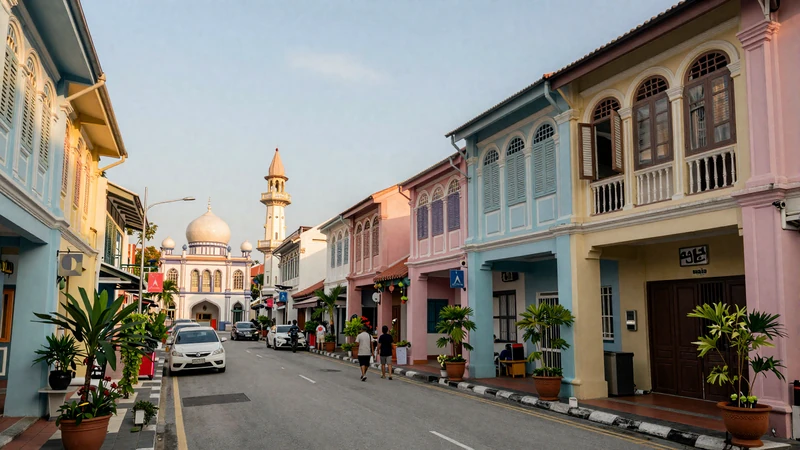
Malaysian women bring a constellation of qualities that consistently rank them among the most desirable partners in international dating. Understanding these traits helps explain why Malaysian women dating has seen a 34% increase in Western male registrations on our platform between 2024 and 2026.
Multilingual communication skills. The average Malaysian woman speaks 2-4 languages. Malay (Bahasa Malaysia) is universal, English is used professionally and socially, and most women also speak their community language - Mandarin, Cantonese, Hokkien, Tamil, or other dialects. This linguistic agility translates directly into cross-cultural relationship success: Malaysian women understand code-switching, cultural nuance, and the effort required to bridge communication gaps. A 2025 Economist Intelligence Unit study ranked Malaysian professionals among the most "interculturally competent" in Asia, with women scoring 12% higher than men on adaptability metrics.
Food culture as love language. Malaysian cuisine - widely regarded as one of the world's great food traditions - is central to how Malaysian women express affection. Nasi lemak (coconut rice with sambal), char kway teow (stir-fried noodles), rendang (slow-cooked spiced meat), roti canai (flaky flatbread), and laksa (spicy noodle soup) represent just a fraction of the culinary repertoire your Malaysian partner will share with you. Food markets, hawker centers, and home cooking are social institutions. When a Malaysian woman cooks for you, she's not just preparing a meal - she's sharing a piece of her identity, her community, and her love.
Consider this: Malaysian women are also exceptionally well-traveled within Asia. Budget airlines like AirAsia (headquartered in Malaysia) have created a generation of Malaysian women who have explored Thailand, Indonesia, Japan, Korea, and beyond. This travel experience gives them a cosmopolitan perspective and an ease with cultural difference that benefits international relationships enormously. Your Malaysian partner has likely already navigated cross-cultural situations with sophistication and humor.
Professional ambition with family warmth. Malaysia's economic growth has produced a generation of women who excel in finance, technology, healthcare, education, and entrepreneurship. Women constitute 55% of Malaysian university graduates (Ministry of Higher Education, 2025) and hold 39% of senior management positions in Malaysian companies - the highest rate in ASEAN. Yet Malaysian culture places equal value on family life, and most Malaysian women describe achieving a "balance between career and family" as their primary life goal. This combination of professional drive and domestic warmth creates partners who contribute equally to household finances and to emotional well-being.
Understand halal food if she's Malay-Muslim - never suggest pork or alcohol-serving restaurants for dates. Ask her preference first; she'll appreciate the sensitivity.
Respect religious diversity - don't assume all Malaysian women are Muslim. Ask about her background early and follow her lead on cultural practices.
Appreciate Malaysian food culture - express genuine enthusiasm for local cuisine. Try durian at least once. Your willingness to explore her food world signals cultural openness.
Learn a few Malay phrases - "Terima kasih" (Thank you), "Apa khabar?" (How are you?), and "Cantik" (Beautiful) go a long way. Even Chinese-Malaysians and Indian-Malaysians appreciate Malay fluency.
Dress modestly for family meetings - regardless of community, first family impressions matter. Covered shoulders, long trousers, and shoes (not flip-flops) show respect.
Be aware of modesty norms - public displays of affection are uncomfortable for most Malaysians, especially in Malay-majority areas. Hold hands, but save anything more for private moments.
Explore the Bruneian women dating category too - Brunei shares Malay culture, language, and Islamic traditions with Malaysia, and cross-border connections are common.
Malaysia is one of the most tourist-friendly countries in Asia, making in-person meetings straightforward and enjoyable. Kuala Lumpur (population 8.4 million in the greater metro area) is the primary hub - a modern, safe, globally connected city with world-class infrastructure, excellent public transportation (MRT, LRT, Grab ride-hailing), and an English-friendly environment. A 10-day trip from the US costs approximately $2,500-$5,000, including flights ($800-$1,500 round trip), hotel ($50-$150/night in KL), and daily expenses ($30-$60/day for food, transport, and activities).
Kuala Lumpur - the main event. Most Malaysian women on international dating platforms are KL-based professionals. Date locations: KLCC Park (near the Petronas Towers), Bukit Bintang shopping district, Bangsar's cafe culture, and the rooftop bars of KL's many luxury hotels. For more traditional settings, the Islamic Arts Museum and Batu Caves offer culturally immersive first-date experiences.
Penang - Malaysia's food and culture capital. Georgetown's UNESCO Heritage Zone, street art walks, and legendary hawker food scene create unforgettable date settings. Chinese-Malaysian and Peranakan women are well-represented here, and the relaxed island atmosphere encourages deeper connection than KL's urban pace.
Johor Bahru - the gateway to Singapore. Just across the causeway from Singapore, JB is increasingly cosmopolitan and home to many Malaysian women who work or study in Singapore. Indian-Malaysian communities are particularly well-established here.
Kota Kinabalu (Sabah) - Malaysian Borneo. For the adventurous dater, KK offers Mount Kinabalu treks, island-hopping, and access to one of the world's oldest rainforests. Women from East Malaysia (Sabah and Sarawak) have distinct indigenous cultural traditions that differ from Peninsular Malaysia - expect a warmer, less formal dating atmosphere and a deep connection to nature.
Dating Love Stories applies rigorous verification to every Malaysian profile on our platform. Each woman undergoes three-step verification: government-issued MyKad (national ID) or passport verification, real-time selfie matching with profile photos using facial recognition technology (98.2% accuracy rate), and optional video verification calls with our moderation team that includes native Malay, Mandarin, and Tamil speakers who understand Malaysia's cultural nuances and community-specific scam patterns.
In 2025, our Malaysia-focused anti-fraud team identified and removed 1,800+ suspicious accounts before they reached Western users. Red flags specific to Malaysian dating scams include: profiles claiming simultaneous ethnicity across different communities (e.g., "Malay-Muslim" but with obviously Chinese features and a non-Muslim name), requests for "Touch 'n Go" e-wallet transfers, fabricated education credentials from Malaysian universities, and individuals who refuse video calls while pushing for WhatsApp communication outside our platform. For comprehensive guidance, our online dating safety guide covers Malaysian-specific scenarios in detail.
The typical Malaysian-Western relationship timeline on our platform follows a pace that reflects Malaysian cultural expectations. Most couples exchange messages for 2-4 weeks before the first video call (Malaysian women, especially Malay-Muslim women, prefer establishing trust through text before visual communication). Video dating continues for 2-4 months, followed by the first in-person visit to Malaysia. Family introductions typically occur during the second or third visit. The total timeline from first message to marriage proposal averages 10-18 months for our most successful couples.
For the K-1 fiancée visa process, Malaysian nationals benefit from Malaysia's strong bilateral relationship with the United States. Processing times average 8-12 months - shorter than many other Asian nationalities. Malaysian women's high English proficiency and comprehensive documentation standards (Malaysian government records are well-organized) streamline the application process. Our visa and immigration guide covers every step of the K-1 process, including Malaysia-specific documentation requirements.
Malaysian women dating in 2026 stands out as one of the most rewarding paths in international relationships precisely because Malaysia itself is extraordinary - a nation where Malay, Chinese, and Indian cultures have coexisted and enriched each other for generations. The woman you meet on this platform doesn't just represent one tradition; she carries the multicultural intelligence of a country built on diversity. If you value education, warmth, culinary artistry, and a partner whose adaptability and emotional depth have been shaped by living at the crossroads of civilizations, Malaysian women offer something genuinely unmatched. Create your free profile today, browse verified Malaysian women from Kuala Lumpur to Kota Kinabalu, and begin a conversation that could transform both your lives.
Three defining traits that shape Malaysian women's approach to love and partnership
Growing up where Malay, Chinese, and Indian traditions converge daily gives Malaysian women a natural gift for navigating cultural differences. She switches between languages, customs, and social codes with effortless grace - the exact skill that makes cross-cultural relationships thrive. Her adaptability isn't learned; it's lived.
Malaysian cuisine is one of the world's great food traditions, and food is how Malaysian women express care. From nasi lemak at dawn to laksa at midnight, every meal she shares with you carries the flavors of three civilizations. When she cooks her grandmother's rendang recipe for you, she's sharing her soul - one spice at a time.
With 52.3% female tertiary enrollment and the highest English proficiency in Southeast Asia, Malaysian women are intellectual equals who challenge, inspire, and stimulate. She manages multinational teams by day and discusses philosophy over teh tarik by night. Her ambition elevates every relationship she enters.
Malaysian dating culture varies significantly across the country's three main ethnic communities. Malay-Muslim women follow halal dating norms - family involvement from early stages, clear marriage intentions, and structured courtship within Islamic guidelines. Chinese-Malaysian women tend toward more liberal dating practices influenced by Chinese pragmatism, with family introductions occurring once the relationship is serious. Indian-Malaysian women blend Hindu family values with modern Malaysian cosmopolitanism. Across all communities, respect, sincerity, and long-term commitment are universally valued. Malaysian women ranked their top partner priorities as 'emotional maturity' (78%), 'career stability' (71%), and 'cultural respect' (68%) in a 2025 Malaysian Institute of Social Research survey.
Yes - Malaysia is one of Southeast Asia's most internationally open countries for dating. There are no legal restrictions on foreigners dating Malaysian women. However, for marriage to a Malay-Muslim woman, Malaysian law requires the non-Muslim partner to convert to Islam. This requirement does not apply to Chinese-Malaysian or Indian-Malaysian women, where civil marriage is available to foreigners. Malaysia's high English proficiency (EF EPI #25 globally in 2025), excellent tourism infrastructure, and cosmopolitan cities like Kuala Lumpur make it particularly easy for Western men to visit, date, and build relationships. Over 26 million tourists visit Malaysia annually, and the 90-day visa-free entry for US citizens simplifies logistics.
Increasingly so. A 2025 Asian Barometer survey found that 78% of Malaysian women aged 20-40 described themselves as 'comfortable with intercultural relationships' - the highest figure in any Muslim-majority country surveyed. Chinese-Malaysian and Indian-Malaysian women are generally most open to interracial dating, while Malay-Muslim women's openness depends on the partner's willingness to respect Islamic values and, for marriage, to convert. In Kuala Lumpur and Penang, interracial couples are a common sight, and social acceptance has grown substantially over the past decade. Malaysian women's multicultural upbringing gives them natural comfort with cultural difference.
Malaysian women across all communities prioritize emotional maturity, career stability, and genuine cultural respect. Malay-Muslim women additionally value Islamic faith (or sincere willingness to learn), clear marriage intentions, and family-oriented values. Chinese-Malaysian women emphasize financial compatibility, shared ambition, and intellectual connection. Indian-Malaysian women value emotional expressiveness, family warmth, and respect for heritage. Universal turn-offs include: arrogance, cultural insensitivity, dismissiveness toward Asian cuisine or traditions, and men who only want 'casual' relationships. Malaysian women are educated and independent - they seek equal partners, not providers.
Malaysia is one of the best destinations in Asia for in-person dating. Kuala Lumpur is a modern, safe, English-friendly global city with world-class restaurants, shopping, cultural attractions, and excellent public transport. A 10-day trip from the US costs $2,500-$5,000 total. US citizens receive 90-day visa-free entry. Malaysia ranks in the top 15 globally for tourist safety (World Economic Forum, 2025). Beyond KL, Penang offers UNESCO heritage charm and legendary food, while Kota Kinabalu in Borneo provides adventure-dating opportunities. The country's excellent WiFi infrastructure (95% 4G/5G coverage) also makes pre-trip video dating seamless.
The K-1 fiancée visa process for Malaysian nationals averages 8-12 months from petition filing to visa issuance - shorter than many other Asian nationalities due to Malaysia's strong bilateral relationship with the United States and well-organized government documentation systems. Malaysian women's high English proficiency also reduces interview complications. The process involves: I-129F petition filing by the US citizen, USCIS approval (4-6 months), transfer to the US Embassy in Kuala Lumpur, medical exam, and consular interview. High-quality documentation of the relationship - chat logs, video call records, photos from in-person visits - is essential for approval.