
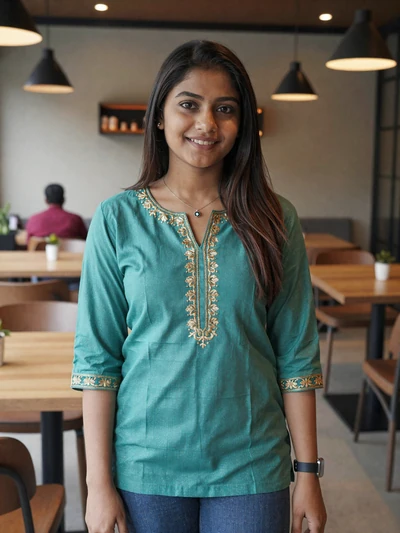
Priya
Bollywood dance, cooking, yoga
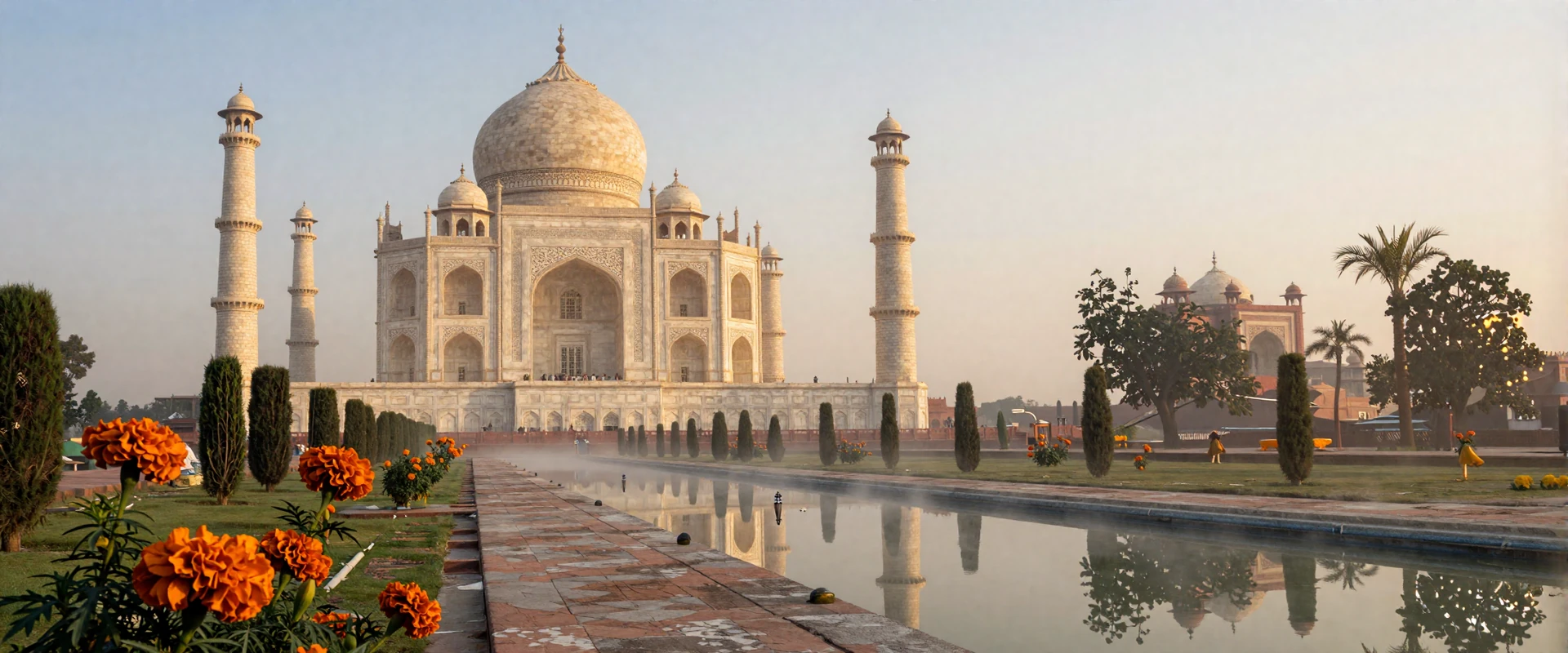
Meet vibrant, educated Indian women who blend rich cultural traditions with modern independence. Browse verified profiles from Mumbai, Delhi, Bangalore, and across India's diverse regions.
Real women, verified profiles, ready to connect
Bollywood dance, cooking, yoga
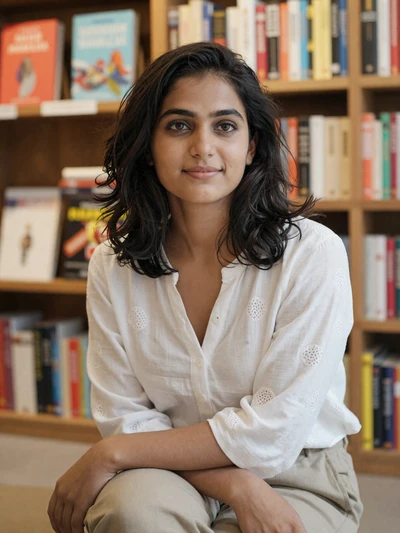
Literature, travel, classical music
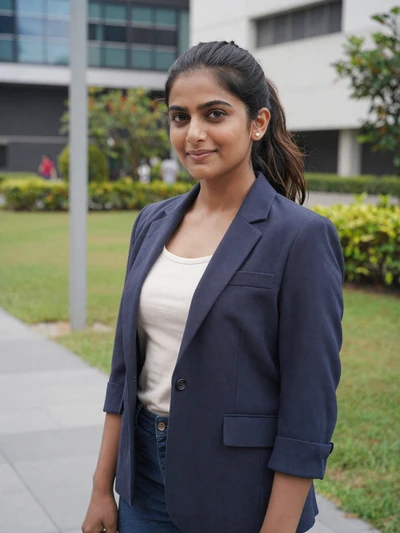
Tech startups, hiking, photography
Biryani cooking, painting, tennis

Poetry, Rabindranath Tagore, dance
Bharatanatyam dance, yoga, reading
Running, cooking, graphic design
Jewelry design, Rajasthani cuisine, travel
Indian women dating connects you with some of the most culturally rich, intellectually accomplished, and warmly devoted women anywhere in Asia. India's population of 1.44 billion - now the world's largest - includes over 700 million women across 28 states, 22 officially recognized languages, and six major religions (Census of India, 2025). This extraordinary diversity means that "dating an Indian woman" isn't a singular experience - it's a kaleidoscope of traditions, values, and personalities shaped by region, religion, education, and family background. According to the Internet and Mobile Association of India (IAMAI), over 78 million Indians actively used online dating platforms in 2025, a 31% increase from 2023, with women's participation growing faster than men's for the first time in the market's history.
What sets Indian women dating apart from other international dating categories is the depth of cultural identity Indian women carry. Whether she's a software engineer in Bangalore's tech corridor, a literature professor in Kolkata, or a jewelry designer in Jaipur, an Indian woman's approach to relationships is woven with millennia-old traditions of devotion, family loyalty, and emotional generosity - qualities many Western men find profoundly appealing after experiencing the transactional nature of modern Western dating. Indian women don't date casually for years without direction; when they commit, they build lasting partnerships anchored in mutual respect, shared values, and genuine warmth.
India is not one country when it comes to dating - it's effectively a continent of distinct cultures sharing a national border. A Punjabi woman from Chandigarh, a Tamil woman from Chennai, a Bengali woman from Kolkata, and a Marathi woman from Mumbai may all carry Indian passports, but their dating expectations, family structures, culinary traditions, and communication styles can differ as dramatically as those between women from France, Germany, and Spain. Understanding this diversity is the single most important preparation any Western man can undertake before pursuing Indian women dating.
Here's the thing: this diversity is your greatest advantage. Unlike dating markets where most women share a homogeneous cultural background, India offers genuine variety within a single national category. Prefer a partner who values artistic expression and philosophical conversation? Bengali women from Kolkata's intellectual tradition are ideal. Drawn to entrepreneurial energy and modern cosmopolitanism? Mumbai and Bangalore women thrive in these environments. Seeking traditional warmth, elaborate hospitality, and rich ceremonial culture? Rajasthani and South Indian women excel here. The key is understanding which regional culture aligns with your personality and relationship goals.
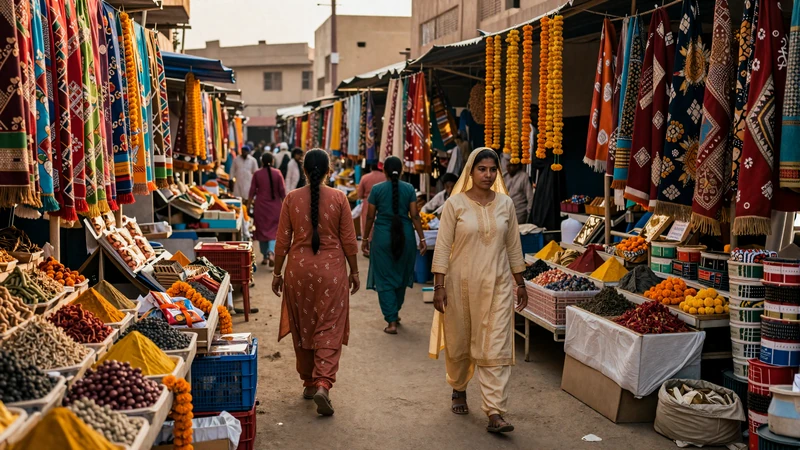
Western men exploring the broader South Asian dating landscape will find that cultural parallels exist with neighboring countries. Pakistani women dating shares deep roots with North Indian culture - the same languages (Urdu and Hindi are mutually intelligible), similar family structures, and comparable emphasis on hospitality - though with different religious and political contexts. Similarly, Bangladeshi women dating connects to the Bengali cultural traditions of eastern India, with shared literary heritage and culinary styles that span the national border created during the 1947 partition.
Religion and caste remain the two most powerful forces shaping Indian dating culture in 2026 - even among highly educated, urban women who might outwardly appear completely Westernized. India's religious landscape includes Hinduism (79.8%), Islam (14.2%), Christianity (2.3%), Sikhism (1.7%), Buddhism (0.7%), and Jainism (0.4%), according to the 2025 National Census estimates. Each religion carries distinct traditions around courtship, marriage, family roles, and interfaith relationships.
For a Western man, the practical impact is significant. A Hindu woman from a progressive family may face little resistance to dating a foreigner, while a woman from a conservative Hindu family - particularly from higher castes - may encounter substantial family opposition. Muslim Indian women (roughly 100 million) navigate additional considerations: many families expect Muslim partners, and interfaith relationships can generate intense family conflict. Christian Indian women (approximately 33 million), particularly from Goa, Kerala, and the Northeast states, tend to be the most culturally comfortable with Western partners, given shared religious frameworks and colonial-era European cultural exchange.
What does this mean in practice? Ask early - not awkwardly, but naturally - about her family's openness to international relationships. Many Indian women on international dating platforms have already navigated these conversations with their families or come from progressive households where individual choice is respected. A 2025 survey by Shaadi.com (India's largest matrimonial platform) found that 38% of urban Indian women aged 25-35 would consider marrying outside their religion or caste, up from 22% in 2019 - a generational shift that's accelerating rapidly.
"I worried my parents would never accept David because he wasn't Indian - let alone Hindu. But when they saw how he respected our traditions, learned to say namaste properly, and sat through an entire three-hour puja ceremony without complaint, my mother whispered to me: 'He has a good heart. That's what matters.' That moment changed everything." - Ananya, 32, Delhi, married to an American since 2024
The caste system - while officially abolished and declining in urban areas - still influences matchmaking in India. A 2025 Indian Human Development Survey found that 62% of marriages in India still occur within the same caste. However, inter-caste marriages have risen 40% in metro cities over the past decade, and international marriages largely bypass caste considerations entirely. For a Western man, caste is rarely a direct barrier; her family's concern will center on character, stability, and cultural respect rather than lineage.
The gap between urban and rural Indian dating culture is arguably the widest of any country in Asia. India's metro cities - Mumbai, Delhi, Bangalore, Hyderabad, Chennai, and Pune - are globally connected, digitally sophisticated, and culturally progressive. Women in these cities use dating apps (Bumble India reported 4.5 million active female users in 2025), make independent relationship choices, and increasingly view international dating as a natural extension of their global outlook.
Consider this: a 28-year-old software engineer in Bangalore who manages a team of 20 people, earns $30,000 annually (top 5% in India), speaks fluent English, has traveled internationally, and binge-watches the same Netflix series as her American peers may have more in common with a Western man than with a woman from her ancestral village 200 miles away. This isn't exaggeration - it's the daily reality of India's dramatic urbanization, where 500 million people now live in cities (UN-Habitat, 2025).
But there's a catch: even the most cosmopolitan Indian woman typically maintains deep connections to her hometown, extended family, and cultural roots. She may code in Python at work and perform Diwali puja rituals at home. She might debate feminist theory with colleagues and touch her grandmother's feet in respectful greeting on weekends. This duality isn't contradiction - it's the essence of modern Indian womanhood, and Western men who appreciate both dimensions build the strongest relationships.
Rural and small-town India operates differently. Arranged marriages remain the norm - roughly 85% of all marriages in India are arranged, though this figure drops to approximately 55% in major metro areas (India Today survey, 2025). Women from smaller cities and towns who join international dating platforms are often making a deliberate, courageous choice to seek partners beyond their immediate social circle. These women tend to be more traditional in values but exceptionally determined in their desire for genuine love matches - a combination that many Western men find deeply attractive.
| Cultural Aspect | Indian Dating | Pakistani Dating | Bangladeshi Dating | Sri Lankan Dating |
|---|---|---|---|---|
| Family Involvement | Very high - varies by region | Very high - central to decisions | Very high - extended family role | High - multi-faith influence |
| Religious Diversity | 6+ major religions | Predominantly Islam (96%) | Predominantly Islam (90%) | Buddhism, Hinduism, Islam |
| Arranged vs Love Marriage | 55% arranged in cities, 85% rural | ~90% arranged | ~85% arranged | ~70% arranged |
| English Proficiency | High in metros - official language | Moderate - growing urban | Low to moderate | Moderate to high |
| Openness to Foreigners | High in cities, moderate rural | Growing - diaspora driven | Moderate - urban-centric | Moderate to high |
| Online Dating Users | 78M+ active users (2025) | 12M+ users | 8M+ users | 2.5M+ users |
| Avg. Trip Cost (12 days) | $2,000-$4,500 | $2,200-$4,000 | $1,800-$3,500 | $2,000-$4,000 |
The ideal Western partner for an Indian woman combines emotional intelligence, cultural curiosity, and genuine respect for her heritage. According to a 2025 Jeevansathi.com survey of Indian women open to international dating, the top-ranked qualities were: respect for Indian culture and family (87%), emotional maturity and stability (83%), financial security (78%), sincerity and transparency (75%), and willingness to learn about her traditions (71%). Physical appearance ranked sixth - well below character-based traits.
Let's break this down. Indian women who seek Western partners are typically responding to specific frustrations with domestic dating culture: pressure to marry within caste or religion, men who expect wives to abandon careers, limited dating freedom in conservative environments, and a gender ratio imbalance in certain communities that reduces quality options. A 2025 Pew Research India study found that 41% of college-educated Indian women felt "constrained" by traditional matchmaking expectations - and 29% of those women had explored or were actively exploring international dating as an alternative.
Why does this matter? Indian women who choose international dating aren't rejecting their culture - they're expanding their options within a framework that respects their individuality. A 30-year-old Indian woman with an MBA who earns well, travels independently, and makes her own life decisions wants a partner who matches her evolved worldview. Many find that Western men's emphasis on equality, emotional communication, and partnership - rather than hierarchy - aligns better with their personal growth than the expectations they face domestically.
Show genuine cultural curiosity - ask about her festivals, regional cuisine, and family traditions. Indian women deeply appreciate partners who want to learn, not just consume.
Respect the pace - Indian dating often progresses gradually: chatting → video calls → meeting → family introduction → engagement. Rushing signals insincerity.
Food is love - accept every meal offered, praise her cooking, and learn to appreciate spice levels. Saying "I love your dal" wins more affection than any expensive gift.
Learn about her specific region - there is no generic "Indian culture." Knowing whether she's Punjabi, Bengali, Tamil, or Marathi shows respect for her actual identity.
Never compare her to Bollywood stereotypes - Indian women are individuals, not movie characters. Treat her as a complete person, not a cultural curiosity.
Family approval in Indian dating is not optional - it is the central pillar around which serious relationships revolve. An Indian Institute of Social Sciences survey (2025) found that 85% of Indian women aged 25-40 would not proceed with marriage without parental blessing, even if they had full personal conviction about their partner. This figure remains remarkably consistent across urban and rural populations, though the form of family involvement differs.
In metro cities, "family approval" might mean introducing your partner to parents after 4-6 months of dating and allowing the relationship to develop naturally with gentle guidance. In more traditional families, approval involves a formal meeting where your career, family background, financial situation, and long-term plans are discussed openly - sometimes with extended family members present, including uncles, aunts, and grandparents. This isn't interrogation; it's the Indian equivalent of due diligence, rooted in a culture where marriage is viewed as the union of two families, not just two individuals.
Here's where it gets interesting: being a foreigner can actually work in your favor. While some traditional families initially resist the idea of a non-Indian partner, many progressive Indian families - particularly those with overseas relatives or exposure to global culture - view a respectful, stable Western partner as a positive choice. The key behaviors that win parental approval are consistent across India: demonstrate career stability, express clear marriage intentions, show respect through formal greetings (folding hands in namaste, removing shoes when entering their home), bring thoughtful gifts (quality sweets, dry fruits, or specialty items from your country), and - critically - learn a few words of their mother tongue. A Western man who says "namaste aunty, aap kaise hain?" (Hello aunt, how are you?) in Hindi creates an immediate emotional connection that transcends cultural barriers.
The family dynamics in Indian dating share structural similarities with other South Asian cultures. Sri Lankan women dating involves comparable levels of family involvement, though shaped by a different multi-faith dynamic (Buddhism, Hinduism, Islam, and Christianity). Meanwhile, Nepali women dating draws from the same Hindu-Buddhist value system prevalent in northern India, with similar expectations around family respect and ceremonial traditions, but within a smaller, more intimate social framework.
India's linguistic advantage in international dating is unmatched in South Asia. English is one of India's two official languages (alongside Hindi) and the primary language of business, higher education, law, and technology. The EF English Proficiency Index (2025) ranks India at #48 globally with "moderate proficiency" - but this national average dramatically understates the reality for educated, urban Indian women on international dating platforms. In metro cities, professional Indian women speak fluent, often accent-neutral English with extensive vocabulary. India produces over 1.5 million English-speaking graduates annually, and Bangalore alone hosts more English-speaking tech professionals than many European countries combined.
This means your initial conversations with Indian women will likely be the smoothest in all of Asian dating. No translation apps needed, no awkward misunderstandings over basic communication. The challenge isn't language - it's cultural nuance. Indian communication style mixes directness (especially in North India) with indirectness (more common in South India and traditional settings). A woman saying "we'll see" might mean "probably not," while "it's fine" might mean "I'm disappointed but won't say so directly." Learning to read these subtle cues takes time, but Indian women generally appreciate when you ask for clarification rather than assuming.
Cultural differences extend to relationship expression. Indian women may be more reserved about public displays of affection - not from lack of passion, but from cultural propriety. Holding hands in a Bangalore mall is fine; kissing in front of her parents is not. Understanding these boundaries shows cultural intelligence that strengthens trust. For detailed strategies on bridging cultural gaps, our guide to cross-cultural relationship challenges provides India-specific advice.
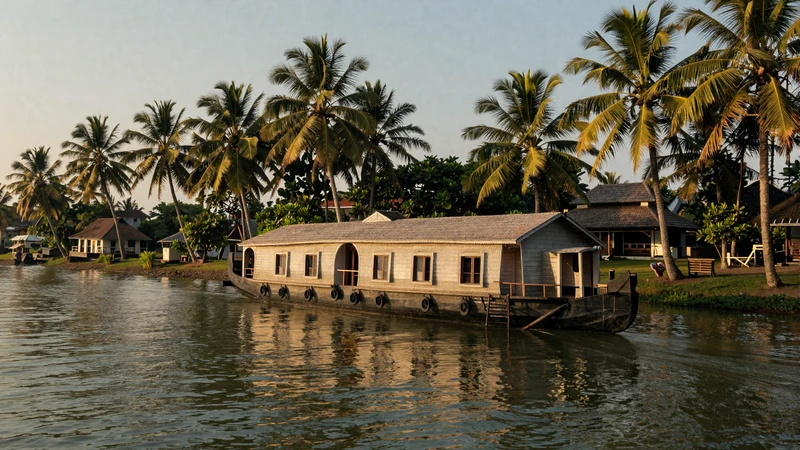
India offers one of the most sensory-rich travel experiences on earth - overwhelming, exhilarating, and deeply rewarding when shared with a partner who can guide you through its complexities. Planning your first trip strategically transforms it from tourism into relationship-building through shared discovery:
For comprehensive trip logistics, our first-trip planning guide covers budgeting, cultural preparation, and relationship milestones for visits across Asia, with India-specific sections on regional itineraries and family meeting protocols.
India's rapidly growing online dating market includes sophisticated scam operations that target both Indian and international users. Dating Love Stories addresses this through rigorous, India-specific verification processes. Every Indian profile undergoes Aadhaar-linked identity verification (India's national biometric ID system covering 99% of adults), real-time selfie matching with profile photos, and optional video verification conducted by our Mumbai-based moderation team - native Hindi, Tamil, Bengali, and Telugu speakers who understand regional dialects, cultural contexts, and scam patterns specific to India.
In 2025, our India-focused anti-fraud team identified and removed over 9,400 suspicious accounts before they contacted Western users. Common red flags in Indian dating scams include: requests for money to fund "medical emergencies" for family members, profiles claiming to be NRIs (Non-Resident Indians) who need "travel funds," professionally glamorous photos that don't match video calls, and women who avoid video calls entirely despite weeks of text communication. Our online dating safety guide includes an India-specific checklist.
The typical journey for Indian-Western couples on our platform follows a culturally respectful progression. Most couples message actively for 4-8 weeks before the first video call, continue video dating for 2-5 months, and then plan a 10-14 day in-person visit to India. The family introduction - unquestionably the most significant milestone - usually occurs during the first or second visit, often accompanied by a formal dinner or tea ceremony at her family home.
For men pursuing the K-1 fiancée visa process, India-specific considerations apply. The US Embassy in New Delhi and Consulates in Mumbai, Chennai, Hyderabad, and Kolkata handle immigrant visa processing. Average K-1 processing time for Indian nationals is 10-14 months from petition filing to visa issuance - slightly faster than some other Asian countries due to robust diplomatic infrastructure. The approval rate for well-documented Indian K-1 applications is strong, particularly when couples can demonstrate sustained communication history, in-person meetings, and family approval. Visit our visa and immigration guide for step-by-step K-1 guidance with India-specific documentation requirements.
Our community includes hundreds of Indian-Western couples who've successfully completed this journey, many sharing their experiences on our success stories page - real names, real photos, real timelines from first message to marriage.
Indian women dating represents one of the most emotionally and culturally rewarding paths in international relationships in 2026. The women on our platform aren't seeking an escape from India - they're seeking partners who appreciate their depth, respect their heritage, and share their vision of building a life enriched by two cultures rather than limited by one. If you value intelligence, loyalty, cultural richness, and genuine human warmth, Indian women offer something truly extraordinary. Your first step is free: create a profile, browse verified Indian profiles from Mumbai to Jaipur to Bangalore, and begin a conversation that could transform your understanding of love, family, and connection.
Three defining traits that shape Indian women's approach to love and partnership
With 28 states, 22 official languages, and six major religions, Indian women carry a depth of cultural identity unmatched anywhere in Asia. Whether she's Punjabi, Bengali, Tamil, or Marathi, her unique heritage enriches every aspect of your relationship - from festivals and food to values and family traditions.
Education is sacred in Indian culture - 49% of urban Indian women hold university degrees, and India produces 1.5 million English-speaking graduates annually. Indian women bring intellectual curiosity, career ambition, and a lifelong commitment to growth that elevates every partnership they enter.
The Sanskrit concept of "Atithi Devo Bhava" - the guest is God - defines Indian hospitality. Indian women express love through extraordinary generosity: home-cooked meals with family recipes passed down generations, elaborate festival celebrations, and an emotional warmth that transforms a house into a home.
Dating in India varies dramatically between urban and rural settings. In metro cities like Mumbai, Delhi, and Bangalore, modern dating mirrors Western patterns - women use apps, meet independently, and make their own relationship choices. In traditional and rural settings, family-arranged introductions remain common, with roughly 85% of marriages being arranged nationally. However, even in arranged settings, both partners now have veto power, and 'semi-arranged' marriages - where families introduce but individuals choose - are the fastest-growing category. On our platform, Indian women have already chosen to seek partners independently, so your experience will align with modern, progressive dating norms.
Yes, and increasingly so. A 2025 Shaadi.com survey found that 38% of urban Indian women aged 25-35 would consider marrying outside their religion or caste - up from 22% in 2019. International dating is growing even faster: Bumble India reported a 47% increase in cross-border matches between 2023 and 2025. Indian women who join international platforms like Dating Love Stories are specifically seeking Western partners who value their individuality, education, and career accomplishments. The women on our platform have typically already discussed international dating with their families or come from progressive households.
Absolutely essential. An Indian Institute of Social Sciences survey (2025) found that 85% of Indian women aged 25-40 would not proceed with marriage without parental blessing. In Indian culture, marriage is the union of two families, not just two individuals. Expect a formal family introduction within 4-6 months of serious dating. Success strategies: learn basic Hindi greetings, bring quality sweets or dry fruits as gifts, dress conservatively, show career stability, and express clear long-term intentions. Being a respectful, sincere foreigner often earns family approval faster than you'd expect - many Indian parents value character and stability above nationality.
The five key differences Western men encounter are: 1) Family involvement is much deeper - her parents will want to meet you and assess your suitability. 2) Public displays of affection are limited - holding hands is fine in metro cities, but kissing in public is still taboo in most settings. 3) Religion and caste still influence partner selection in many families. 4) The pace tends to be more deliberate - Indian women prefer gradual courtship over fast progression. 5) Food is love - cooking for you and feeding you is a primary expression of care. Understanding these differences as enriching rather than limiting is key to a successful Indian-Western relationship.
Start with genuine curiosity about her specific cultural background - don't assume all Indian women are the same. Ask about her regional cuisine, festivals she celebrates, and her career passions. Indian women appreciate men who are specific ('I'd love to try Hyderabadi biryani with you someday') rather than generic ('I love Indian culture'). Be upfront about seeking a serious relationship - Indian women value directness about intentions. Avoid Bollywood stereotypes, fetishizing comments about skin color, or assumptions about arranged marriages. Our guide on creating an attractive dating profile provides additional tips that resonate strongly with Indian women.
The K-1 fiancée visa for Indian nationals is processed through the US Embassy in New Delhi or Consulates in Mumbai, Chennai, Hyderabad, and Kolkata. Average processing time is 10-14 months from petition filing to visa issuance. Requirements include proof of in-person meeting within the past two years, evidence of genuine relationship (chat logs, photos, travel records), financial sponsor documentation (I-134 affidavit), and medical examination at approved Indian hospitals. The approval rate for well-documented Indian K-1 applications is strong. Our visa and immigration guide covers every step in detail.