
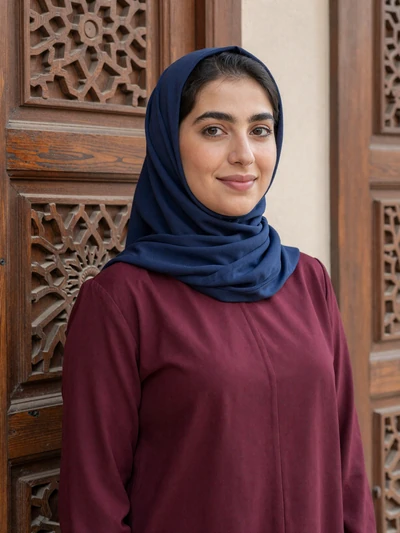
Fatima
Teaching, calligraphy, Yemeni cooking
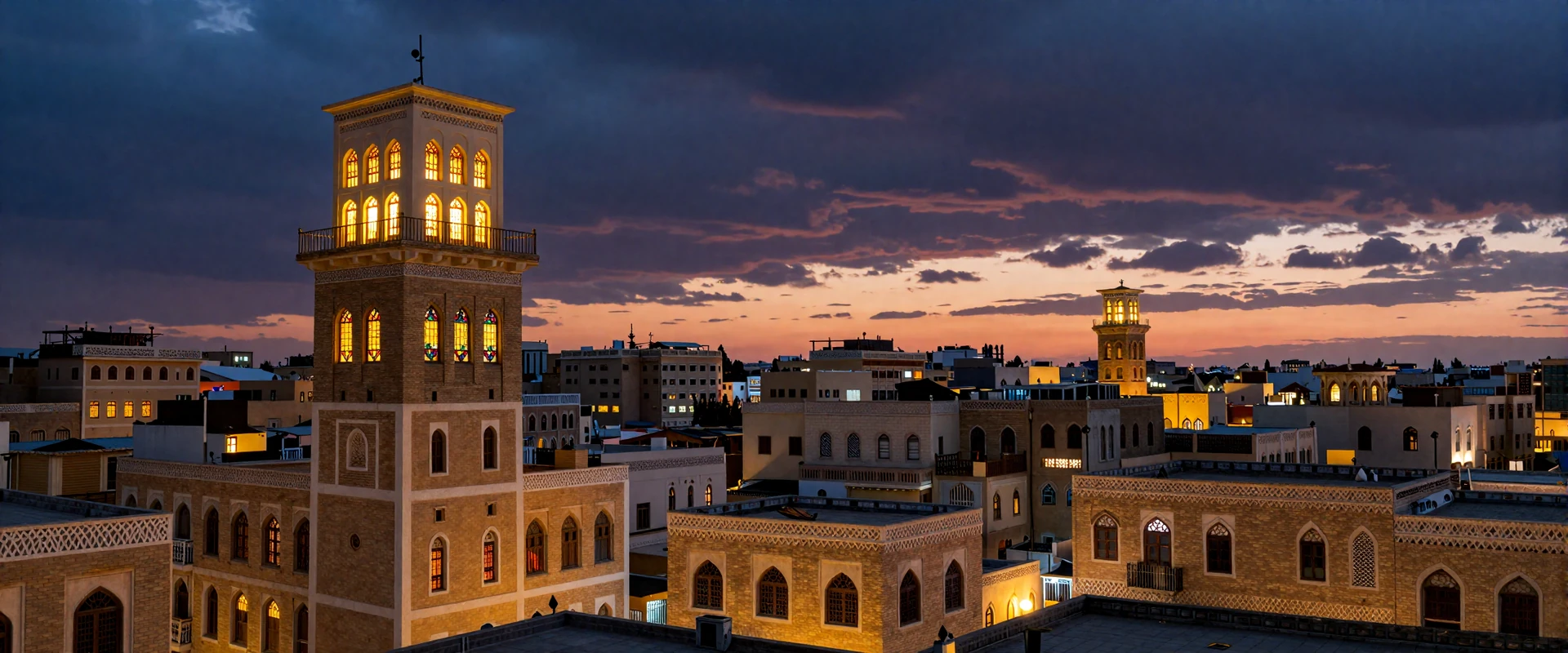
Connect with warm, family-devoted Yemeni women who carry centuries of rich Arabian heritage. Browse verified profiles from Sana'a, Aden, and thriving Yemeni diaspora communities across the United States, United Kingdom, and Malaysia.
Real women, verified profiles, ready to connect
Teaching, calligraphy, Yemeni cooking
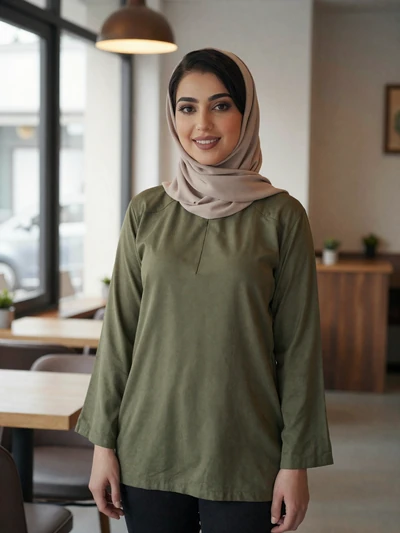
Business, fitness, Arabic poetry
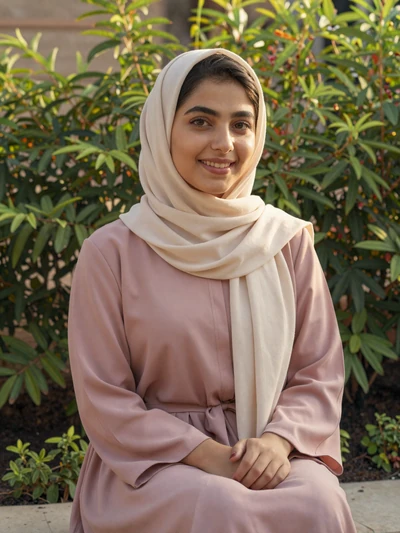
Medicine, reading, gardening
Law, community work, cooking saltah
Journalism, travel, Yemeni coffee
Education, hiking, Arabic calligraphy
Art, cooking bint al-sahn, yoga
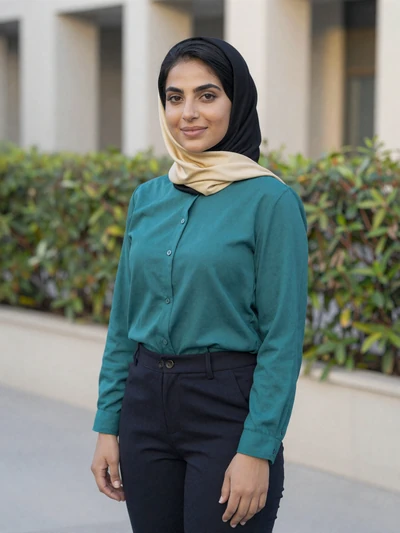
Tech, photography, Yemeni desserts
Yemeni women dating connects Western men with some of the most deeply cultured, family-devoted, and warm-hearted women in the entire Arab world. Yemen - the ancient land of the Queen of Sheba, the birthplace of Mocha coffee, and a civilization stretching back over 3,000 years to the Sabaean and Himyarite kingdoms - has produced women whose grace, resilience, and unwavering loyalty to family define everything they bring to a relationship. While Yemen's ongoing internal challenges have driven significant population movement, an estimated 1.8 million Yemenis now live in diaspora communities worldwide (IOM, 2025), including approximately 80,000 in the United States (concentrated heavily in Dearborn, Michigan, and the Bronx, New York), 70,000 in the United Kingdom (primarily Birmingham and Sheffield), and over 200,000 in Malaysia and Indonesia. These diaspora communities are home to educated, ambitious Yemeni women who maintain their Islamic heritage and tribal family bonds while embracing modern professional opportunities - including international dating.
What makes Yemeni women dating distinct from other categories on our platform is the profound intersection of Arabian tribal identity, Islamic devotion, and a cultural heritage rooted in one of civilization's oldest continuously inhabited cities - Sana'a, a UNESCO World Heritage Site. Yemeni women carry a warmth and depth of character shaped by centuries of Arabian hospitality traditions, a fierce commitment to family honor, and a poetic soul nourished by Arabic literary traditions. For Western men who value sincerity over superficiality, family loyalty over fleeting connections, and a partner whose cultural richness transforms daily life into something extraordinary, Yemeni women offer a uniquely meaningful path to love. The best way to meet Yemeni women online in 2026 is through verified platforms that understand Islamic courtship sensitivities and the genuine aspirations of Yemeni women seeking serious, marriage-oriented relationships.
Yemeni women embody a strength forged through millennia of Arabian civilization and refined through the challenges of the modern era. Yemen's geographic position - at the southwestern tip of the Arabian Peninsula, where the Red Sea meets the Indian Ocean - created a culture of traders, poets, and builders whose legacy lives in the breathtaking tower houses of Sana'a and the ancient port city of Aden. The women who carry this heritage bring extraordinary qualities to international relationships: deep emotional intelligence, an instinct for nurturing family bonds that runs through their DNA, and a quiet resilience that Western men consistently describe as life-changing.
Here's the thing: the Yemeni diaspora experience has produced a generation of women who navigate dual identities with remarkable grace. In Dearborn, Michigan - home to one of the largest Yemeni-American communities in the United States - young Yemeni women pursue medical degrees, launch businesses, and serve their communities while maintaining the Arabic language, Islamic traditions, and family structures their grandparents brought from Sana'a and Aden. A 2024 study by the Arab American Institute found that 54% of Yemeni-American women aged 25-39 hold college degrees, a figure that has grown 18% since 2019. These educated, culturally grounded women face a familiar paradox: Western dating culture feels too casual, while traditional Yemeni matchmaking within small community circles can feel restrictive.
The cultural parallels with Jordanian women dating are significant - both share Arabic language, Islamic values, and strong tribal family structures. However, Yemeni identity carries distinctive elements: the tribal qabili system that organizes social life, the ancient coffee culture (Yemen literally invented the world's coffee trade), and a hospitality tradition rooted in Bedouin and sedentary Arabian customs that surpasses even other Arab nations in its warmth and generosity. Where Jordanian culture blends Bedouin traditions with Levantine cosmopolitanism, Yemeni culture preserves a more ancient, deeply rooted Arabian identity that many Western men find profoundly authentic.
Yemeni dating culture operates within a framework defined by two interlocking systems: Islamic shariah principles and the tribal (qabili) social structure that has organized Yemeni society for centuries. Understanding both systems is essential - not optional - for any Western man serious about building a relationship with a Yemeni woman. Whether she lives in Sana'a or Sheffield, these values form the foundation of her identity and her expectations of a partner.
Islam as the guiding framework. Yemen is overwhelmingly Muslim (99%+), and Islamic principles govern courtship from first conversation to marriage ceremony. Yemeni women don't casually date - they seek partners with clear marriage intentions (niyyah). The concept of "halal dating" - courtship conducted within Islamic guidelines of modesty, family involvement, and transparency - shapes every interaction. Prayer times (five daily), Ramadan fasting, halal dietary requirements, and religious holiday observance (Eid al-Fitr, Eid al-Adha) are non-negotiable parts of her life. Your willingness to understand and respect these practices signals the seriousness her family requires.
The tribal (qabili) dimension. Unlike many other Arab societies where tribal identity has diminished, Yemen's tribal system remains a powerful social organizing force. Approximately 85% of Yemeni society identifies with specific tribal affiliations (Al-Dawsari, 2024). Tribes function as extended kinship networks that provide social security, dispute resolution, and - crucially - marriage negotiations. When you seek a relationship with a Yemeni woman, her tribal elders may be involved in evaluating your character and intentions alongside her immediate family. This isn't bureaucracy; it's a safety system that has protected Yemeni women for centuries.
What does this mean in practice? When you express serious interest in a Yemeni woman on our platform, expect the relationship to progress through clearly defined stages. First, private messaging where she assesses your character, intentions, and respect for Islamic values (typically 4-8 weeks). Then, video calls - often arranged when she has privacy, as modesty requires discretion. Next, family awareness - she will inform her parents, and her father or brother may request to join a video call to meet you. Finally, if both families agree, the formal khitbah process begins. This structured progression may feel slow by Western standards, but it builds the foundation for a marriage that lasts. The parallels with Afghan women dating customs are strong - both cultures share Islamic courtship structures, though Yemeni tribal involvement adds a distinctive layer of social evaluation.
| Cultural Aspect | Traditional Yemen | Diaspora Context |
|---|---|---|
| Family Involvement | Father and tribal elders make final decision; multiple formal family visits (khitbah) required | Parents remain deeply influential; tribal network less formal but family approval still essential |
| Courtship Timeline | Families negotiate over weeks/months; couple may have limited direct interaction before engagement | Couple communicates directly but with family awareness; 3-9 months from introduction to engagement is typical |
| Marriage Expectations | Mahr negotiated by families; multi-day wedding with elaborate gender-separated celebrations | Mahr remains obligatory; wedding blends Yemeni traditions (bukhoor, Yemeni music) with Western elements |
| Women's Education | Education valued but access varies by region; urban women (Sana'a, Aden) more likely to hold degrees | 54% of Yemeni-American women aged 25-39 hold college degrees; professional careers common |
| Communication Style | Indirect, formal, with elaborate Arabic courtesy phrases; emotional expression through poetry and gesture | More direct; bilingual (Arabic + English); maintains Arabic courtesy traditions in family settings |
| Modesty Standards | Full covering (abaya, niqab) common in public; beauty reserved for family and husband | Hijab standard; dress style varies from conservative to modern-modest depending on individual and community |
| Social Gatherings | Qat chewing sessions serve as social bonding; gender-separated socializing is norm | Community gatherings at mosques, cultural centers; gender separation maintained at formal events |
Family approval in Yemeni dating is the single most important factor determining whether a relationship progresses to marriage. According to a 2025 survey by the Yemeni American Association, 97% of Yemeni-American women aged 20-40 consider family blessing essential before accepting any marriage proposal - the highest rate among all Arab-American communities surveyed. This statistic isn't just cultural data; it reveals the depth of family bonds that make Yemeni women extraordinary partners.
The Yemeni family structure operates in concentric circles. At the center is the nuclear family (parents and siblings), whose opinion carries the most immediate weight. The next circle includes the extended family - uncles, aunts, grandparents, and cousins - who provide additional social evaluation. The outermost circle is the tribal network, which in traditional Yemen and in some diaspora communities still plays an advisory role in marriage decisions. A Yemeni proverb captures this beautifully: "A person without a tribe is like a bird without wings" - family and tribal belonging provide the foundation for everything, including marriage.
"When I first visited Amira's family in Dearborn, her father served me Yemeni coffee in a tiny cup and asked, very calmly, what I knew about Yemen. Not politics - history, culture, and poetry. He wanted to know if I saw his daughter's homeland as something beautiful, not just a news headline. That question changed everything. I spent the next three months learning about Saba'a, Queen Bilqis, and Yemeni architecture. Her father later told me that my willingness to learn earned his respect more than anything else." - James, 45, Michigan, married to a Yemeni-American woman in 2025
Three strategies consistently help Western men navigate the Yemeni family approval process. First, learn about Yemen's cultural heritage beyond news headlines - understand the Kingdom of Saba (Sheba), the significance of Sana'a's UNESCO-listed architecture, and Yemen's foundational role in Arabic coffee culture. When her father asks what you know about his homeland, your answer signals whether you see Yemeni civilization as worthy of respect. Second, demonstrate clear Islamic awareness - you don't need to convert (though many families prefer a Muslim partner), but understanding the basics of Islamic practice, greeting elders with "Assalamu Alaikum," and knowing what halal means in daily life shows the cultural seriousness her family requires. Third, approach her father directly - Yemeni men respect directness. State your intentions clearly: "I am interested in your daughter for marriage. I respect your family and your traditions." This straightforward approach earns far more respect than Western-style ambiguity.
Building a genuine connection with a Yemeni woman requires patience, cultural humility, and a clear commitment to respectful courtship. Yemeni women are not looking for casual attention - they seek partners who understand that every conversation carries the weight of family honor and religious obligation. Here are the fundamental principles that guide successful Yemeni women dating in 2026.
Declare your intentions early - within the first 3-4 weeks of meaningful conversation, she needs to know you're seeking marriage, not entertainment. Ambiguity is interpreted as disrespect.
Understand Islamic courtship etiquette - modesty governs all interactions. Avoid suggestive language, respect her hijab as a personal and religious choice, and never pressure for photos without hijab.
Learn basic Arabic greetings - "Assalamu Alaikum" (peace be upon you), "Shukran" (thank you), "MashaAllah" (God has willed it - used to express admiration) go a remarkably long way.
Appreciate Yemeni cuisine - saltah (the national dish: meat stew with fenugreek foam), bint al-sahn (honeyed bread), mandi (spiced rice with slow-cooked meat), and fahsa are cultural treasures. Express genuine interest in her cooking.
Respect prayer and Ramadan schedules - adjust your communication timing around her five daily prayers and be especially considerate during Ramadan (fasting hours, late-night socializing after iftar).
Video calls build trust - a man willing to show his face, his home, and his daily life on camera signals authenticity that text alone cannot match.
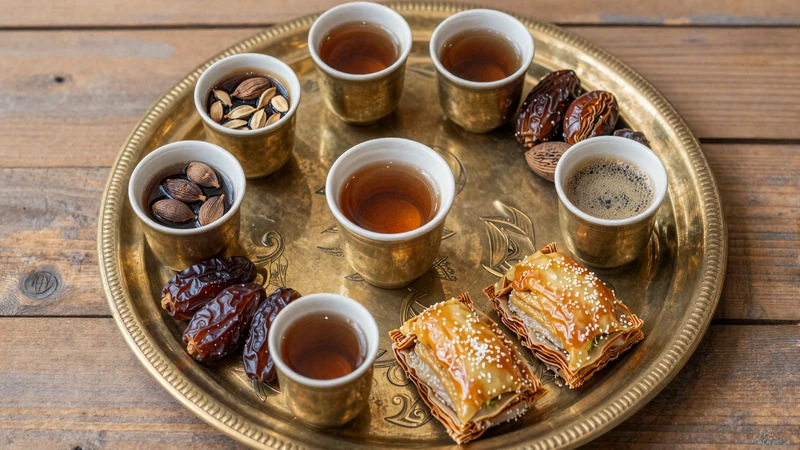
Yemeni coffee culture deserves special attention as a relationship-building tool. Yemen is literally the birthplace of global coffee culture - the port city of Mocha (Al-Mukha) gave its name to the mocha coffee drink. Yemeni coffee preparation is an art: lightly roasted beans brewed with cardamom, ginger, and sometimes cinnamon in a pot called a jebena, served in small cups with dates or Yemeni sweets. When your Yemeni partner shares her family's coffee preparation method, she is sharing an intimate piece of cultural heritage. Your appreciation matters deeply. Learning to prepare Yemeni coffee yourself - even imperfectly - demonstrates a cultural investment that words alone cannot convey.
Yemeni women bring a constellation of qualities that distinguish them even within the rich diversity of Arab and Islamic cultures. Understanding these qualities helps explain why Yemeni women dating has grown steadily on international platforms between 2023 and 2026, particularly among Western men seeking depth, loyalty, and authentic connection.
Unbreakable family devotion. The Arabic concept of "asabiyyah" - group solidarity and kinship loyalty - runs deeper in Yemeni culture than in almost any other Arab society. When a Yemeni woman commits to you, she commits completely. Yemeni divorce rates are among the lowest in the Arab world, reflecting a cultural commitment to working through difficulties rather than abandoning partnerships. Her instinct in times of trouble is to draw closer, not pull away. A 2025 World Bank study found that 92% of Yemeni women in both Yemen and the diaspora identified "family unity" as their highest personal value - ahead of career advancement, wealth, or personal freedom.
Legendary Arabian hospitality (diyafa). Yemeni hospitality traditions are among the most elaborate in the world. When a Yemeni woman welcomes you into her family's home, expect a sensory experience that goes far beyond food: incense (bukhoor) burning in every room, freshly brewed coffee with cardamom, plates of mandi and saltah prepared over hours of careful cooking, and a genuine warmth that makes you feel like the most honored person alive. The Arabic phrase "Baytuna baytak" - "our house is your house" - is not a pleasantry in Yemeni culture. It's a sacred obligation.
Consider this: Yemeni women are also among the most resilient women in the entire region. Yemen's ongoing conflict since 2014 has created what the UN calls the world's worst humanitarian crisis, affecting an estimated 21.6 million people (OCHA, 2025). Yet Yemeni women - both those who've endured these challenges and those in the diaspora who carry their homeland's pain in their hearts - have responded not with bitterness but with an extraordinary determination to build better lives for themselves and their families. This resilience translates directly into relationships: a Yemeni woman doesn't run from difficulty. She faces it with faith, patience (sabr), and the quiet strength that only genuine adversity can forge.
Intellectual depth and Arabic literary heritage. Yemen's literary tradition is ancient and profound. Arabic poetry - the highest art form in Arabian culture - is deeply woven into Yemeni women's daily expression. Even in casual conversation, a Yemeni woman may quote classical Arabic poetry, use proverbs that are centuries old, and express emotions with a linguistic precision that most Western men find captivating. The Yemeni tradition of balah (oral storytelling) means she carries centuries of narrative wisdom that enriches every conversation. Her connection to Maldivian women through shared Islamic values and island-connected maritime cultures offers interesting parallels - both communities value family devotion and faith-centered lives, though Yemeni Arabian identity adds distinctive tribal and literary dimensions.
The practical realities of meeting Yemeni women depend significantly on whether she lives in the diaspora or in Yemen. Both paths lead to genuine connections, but the logistics, safety considerations, and cultural dynamics differ considerably.
Diaspora communities (US, UK, Malaysia): The largest Yemeni-American community is concentrated in Dearborn and Hamtramck, Michigan, where an estimated 35,000-40,000 Yemeni Americans create a vibrant cultural enclave with mosques, Yemeni restaurants, and community organizations. The Bronx in New York City hosts another significant community of approximately 15,000. In the UK, Birmingham and Sheffield are primary centers. In Malaysia, a Yemeni community of over 200,000 - many descended from Hadrami traders who settled centuries ago - maintains strong cultural traditions while integrating into Malaysian society. Meeting women in these communities is straightforward: you can attend community events (Eid celebrations, cultural festivals), dine at Yemeni restaurants (mandi houses are social hubs), and connect through verified online platforms. Trip costs are domestic or standard international travel.
Yemen (Sana'a, Aden, Taiz): Travel to Yemen requires careful evaluation of current security conditions. As of early 2026, the US State Department maintains a Level 4 (Do Not Travel) advisory for Yemen. For men who have established a genuine connection with a Yemeni woman in-country, meetings may be more practically arranged in neutral third countries such as Oman, Jordan, or Malaysia, where Yemeni visa access is easier. If travel to Yemen becomes viable, a 10-day trip costs approximately $1,800-$4,000 from the US, including flights ($800-$1,800), hotel ($30-$80/night in Aden or Sana'a), and expenses. Family meetings will occur early, be formal, and include elaborate hospitality.
Dating Love Stories takes the verification of Yemeni profiles with particular care. Every Yemeni woman on our platform undergoes a three-step verification process: government-issued identification document verification (passport, national ID, or residence permit for diaspora women), real-time selfie matching with profile photos, and optional video verification calls with our moderation team that includes native Arabic speakers familiar with Yemeni dialects, cultural contexts, and scam patterns specific to Yemeni communities.
In 2025, our Yemen-focused anti-fraud team identified and removed over 1,800 suspicious accounts before they interacted with Western users. Red flags specific to Yemeni dating scams include: requests for Western Union or hawala transfers citing urgent family emergencies, profiles using photos from Yemeni social media influencers, emotional manipulation claiming need for medical expenses for relatives, and individuals who refuse video calls while pushing communication to WhatsApp or Telegram. Our red flags in online dating safety guide provides comprehensive checklists applicable to Yemeni dating contexts.
The relationship trajectory for Yemeni-Western couples follows a culturally appropriate progression that rewards patience and sincerity. Most couples on our platform message for 6-10 weeks before the first video call (Yemeni women need time and privacy to arrange calls), continue video communication for 3-8 months, and then plan an in-person meeting - either in the diaspora city where she lives or in a neutral country if she's in Yemen. The khitbah (formal engagement process) typically occurs after 2-4 in-person visits, once both families are comfortable with the match.
Cultural gift-giving plays a meaningful role in Yemeni courtship. Appropriate gifts demonstrate respect and cultural awareness without being ostentatious. Oud perfume (highly valued in Yemeni culture), high-quality dates from Madinah, gold jewelry (particularly for engagement), Arabic calligraphy art, and boxes of premium sweets for her parents are all culturally appropriate. Avoid gifts that could be interpreted as presumptuous (clothing, makeup) or culturally insensitive (anything containing alcohol or non-halal ingredients). The gift itself matters less than the cultural thoughtfulness behind it.
For men pursuing the K-1 fiancée visa process with a Yemeni partner, specific considerations apply. The US Embassy in Sana'a is currently closed; Yemeni K-1 applicants typically process through the US Embassy in Djibouti or Abu Dhabi. Processing times are extended - 14-20 months from petition filing to visa issuance for Yemeni nationals due to additional security vetting requirements. Thorough documentation of your relationship (chat logs, video call records, photos from in-person visits, evidence of financial support capacity) is critical. Our visa and immigration guide for international couples covers the K-1 process step by step, including specific guidance for Yemeni nationals.
For diaspora Yemeni women already holding US, UK, or Malaysian permanent residency or citizenship, immigration is considerably simpler - standard spousal or partner visa processes apply.
Yemeni women dating represents one of the most profoundly rewarding paths in international relationships in 2026. These women aren't seeking to abandon their heritage - they're looking for partners who recognize that Yemen's cultural legacy is something extraordinary, something that enriches rather than complicates a relationship. If you value resilience, warmth, intellectual depth through Arabic literary traditions, and a partner whose family devotion is as enduring as the ancient tower houses of Sana'a, Yemeni women offer something genuinely remarkable. Create your free profile today, browse verified Yemeni profiles from Dearborn to Dubai, and begin a conversation that could transform both your lives.
Three defining traits that shape Yemeni women's approach to love and partnership
Yemen is the cradle of Arabian civilization - home to the Queen of Sheba, birthplace of global coffee culture, and guardian of some of the world's most breathtaking ancient architecture. Yemeni women carry 3,000 years of cultural wisdom in their daily lives, from Arabic poetry and proverbs to culinary traditions that connect modern kitchens to ancient Silk Road trade routes.
Yemeni hospitality transcends mere custom - it is a sacred duty rooted in Bedouin tradition and Islamic teachings. When a Yemeni woman cares for you, she creates a home filled with bukhoor incense, cardamom-spiced coffee, and meals prepared with hours of love. "Baytuna baytak" - our house is your house - is a promise she keeps for life.
Forged through the challenges of Yemen's modern history, Yemeni women possess an inner strength that defines their approach to relationships. When she commits, she commits completely - with faith (iman), patience (sabr), and the kind of unwavering family devotion that Western men consistently describe as the most transformative quality they've ever experienced in a partner.
The most effective way to meet Yemeni women online in 2026 is through verified international dating platforms like Dating Love Stories that specifically feature Yemeni profiles from both Yemen and diaspora communities. Our platform verifies every profile through ID checks, photo matching, and video confirmation with Arabic-speaking moderators. Major Yemeni diaspora communities in Dearborn (Michigan), the Bronx (New York), Birmingham (UK), and Kuala Lumpur (Malaysia) have active online presence. Community events - particularly Eid celebrations and Yemeni cultural festivals - provide additional connection opportunities.
Yemeni marriage customs are governed by Islamic shariah principles and tribal traditions. Key customs include: mahr (bride gift) negotiated between families, typically $3,000-$15,000 plus gold jewelry in diaspora communities; khitbah (formal engagement) involving multiple family visits; wali (male guardian) approval required for the marriage contract; walima (wedding feast) that is often gender-separated with elaborate celebrations; and strong tribal (qabili) consultation in partner evaluation. In the diaspora, these customs are adapted but preserved in their essential elements - family approval remains non-negotiable.
Yes, Yemeni women - particularly in diaspora communities - are increasingly open to international relationships. However, Yemeni women don't 'date' in the Western casual sense. They seek committed partners with clear marriage intentions (niyyah). Conversion to Islam is preferred by many Yemeni families but not universally required - demonstrating genuine respect for Islamic values and Arabic cultural traditions is the baseline expectation. Western men who approach Yemeni women with sincerity, patience, and cultural awareness consistently earn respect from both the women and their families.
In the Yemeni diaspora (US, UK, Malaysia), online platforms are widely used for meeting potential partners, especially among educated young women who find local community options limited. Within Yemen itself, internet access has expanded through mobile networks (approximately 27% penetration in 2025), and urban women in Sana'a and Aden use international platforms, though with greater privacy considerations due to social norms. The key distinction: Yemeni women view online platforms as tools for finding marriage partners, not casual dating. Family awareness of online communication is expected and often encouraged.
Family plays the central, defining role. According to a 2025 Yemeni American Association survey, 97% of Yemeni-American women consider family blessing essential before accepting a marriage proposal. Her father serves as wali (guardian) for the marriage contract. Her mother and female relatives evaluate the suitor's character through informal observation. In some families, tribal elders provide additional counsel. This family involvement is a strength, not an obstacle - it provides social security, ensures the man's character is vetted, and creates a support system that sustains the marriage long-term. Western men should embrace, not resist, this process.
The K-1 fiancée visa process for Yemeni nationals involves additional steps due to the US Embassy closure in Sana'a. Yemeni applicants typically process through the US Embassy in Djibouti or Abu Dhabi. Processing time is 14-20 months from petition filing to visa issuance, longer than many other nationalities due to enhanced security vetting. Required documentation includes proof of in-person meeting, evidence of genuine relationship (chat logs, video call records, visit photos), sponsor's financial affidavit, and medical exam. For Yemeni women already holding permanent residency or citizenship in US, UK, or Malaysia, standard spousal visa procedures apply with normal processing times.
Arabic is Yemen's official language, with distinct Yemeni dialects varying by region (Sana'ani, Adeni, Hadhrami). In the diaspora, English fluency is typically strong - 54% of Yemeni-American women hold college degrees, ensuring excellent English communication. In Yemen itself, English proficiency is growing among educated urban women but remains limited compared to diaspora communities. Our platform integrates Arabic-English real-time translation with approximately 84% accuracy for conversational text. Learning key Arabic phrases - 'Assalamu Alaikum' (peace be upon you), 'Shukran' (thank you), 'MashaAllah' (God has willed it) - creates emotional connection that translation tools cannot replicate.