
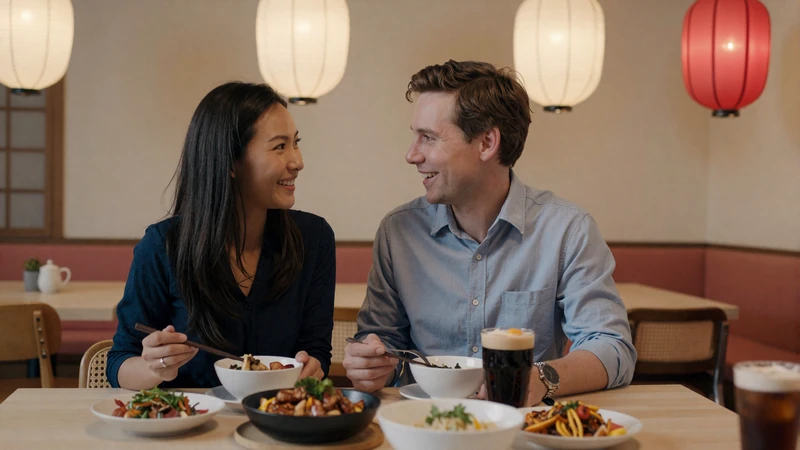
Cross-cultural relationships with Asian women are among the most rewarding partnerships a Western man can build - and among the most demanding. A 2025 Pew Research study found that intercultural couples who proactively address cultural differences within the first year are 2.4 times more likely to stay together long-term than those who adopt a "love conquers all" approach. The difference is not luck or compatibility - it is preparation. If you have been connecting with women through our Asian women dating platform, understanding these challenges before they arise gives you a decisive advantage.
This guide breaks down the five most common cross-cultural relationship challenges and provides actionable strategies drawn from relationship research, cultural psychology, and real couples who navigated them successfully.
The Language Barrier: More Than Just Words
Communication in a cross-cultural relationship involves far more than translating sentences. Asian cultures - particularly East Asian societies - rely heavily on high-context communication, where meaning is embedded in tone, silence, facial expression, and what is left unsaid. Western communication tends to be low-context: direct, explicit, and verbal. This fundamental mismatch causes more friction than any vocabulary gap.
Direct vs. Indirect Communication Styles
When dating Chinese women, you will quickly discover that "maybe" often means "no," and silence after a question can indicate discomfort rather than agreement. In Japanese culture, the concept of honne (true feelings) versus tatemae (public facade) means your partner may express politeness outwardly while feeling differently inside. Understanding this is not about decoding hidden messages - it is about learning to read emotional cues your own culture never taught you to notice.
Practical Solutions for Bridging the Language Gap
- Learn her language basics. Even 50 phrases in Vietnamese, Mandarin, or Hindi demonstrate commitment that women consistently rank as the most attractive trait in a foreign partner.
- Use visual communication. Share photos, voice messages, and short videos instead of relying solely on text. Emotion translates through tone and expression far better than typed words.
- Establish a "clarification culture." Make it normal to say, "I want to make sure I understand - did you mean X or Y?" without either partner feeling interrogated.
- Leverage translation tools wisely. Apps like Google Translate and DeepL are useful supplements, but never substitutes for learning to read your partner's non-verbal cues.
- Be patient with humor. Jokes and sarcasm are the hardest things to translate. Until you understand each other's humor deeply, lean toward warmth and sincerity over wit.
Here's the thing: the language barrier is actually an advantage in disguise. Couples who cannot rely on autopilot conversation are forced into deeper, more intentional communication. A 2024 study by the University of British Columbia found that bilingual couples reported higher emotional intelligence scores than monolingual couples - precisely because navigating two languages requires constant emotional attunement.
Navigating Family Expectations Across Cultures
In most Western relationships, family approval is a bonus. In most Asian relationships, it is a prerequisite. This distinction catches many Western men off guard and becomes the single most common source of tension in intercultural partnerships. Understanding filial piety - the deep respect for parents and elders embedded in Confucian, Hindu, Buddhist, and Islamic traditions across Asia - is non-negotiable for anyone serious about building a lasting relationship.
"Trust in an Asian family is not given at a first meeting - it is earned through consistency, respect, and time. The men who understand this build marriages. The men who resist it build frustration." - Dr. Ravi Patel, Cross-Cultural Psychology, University of Delhi
What Family Involvement Actually Looks Like
When dating Indian women, expect that her parents may ask about your career, income stability, and long-term intentions within the first few meetings. This is not intrusive - it is protective. In South Asian cultures, marriage is understood as a union of families, not just individuals. Her father's questions about your job are the equivalent of a Western parent asking, "Are you a good person?" - just expressed through a different cultural lens.
| Region | Family Involvement Level | What to Expect | How to Earn Trust |
|---|---|---|---|
| East Asia (China, Japan, Korea) | High - parental approval often expected | Formal introductions, questions about career and stability | Bring quality gifts, show respect to elders, demonstrate financial stability |
| South Asia (India, Pakistan, Bangladesh) | Very high - family may be decision-makers | Multiple family meetings, inquiries into background and intentions | Dress conservatively, express long-term commitment, learn basic cultural etiquette |
| Southeast Asia (Vietnam, Thailand, Philippines) | Moderate to high - varies by urban vs. rural | Meeting extended family early, communal meals, financial discussions | Show generosity without ostentation, participate in family events, be present |
| Central Asia (Kazakhstan, Uzbekistan) | High - clan and extended family involved | Community gatherings, elder blessings, traditional hospitality | Accept hospitality graciously, show respect for traditions, be patient with process |
Strategies for Winning Family Approval
- Meet her parents before proposing - always. In most Asian cultures, a proposal without parental awareness is a serious misstep, not a romantic surprise.
- Bring gifts that show cultural research. Quality tea in China, sweets in India, fruit in Vietnam - each gesture signals that you respect where she comes from.
- Learn basic greetings in her language. Addressing her father in Mandarin or Hindi, even imperfectly, communicates respect more powerfully than any English speech.
- Demonstrate stability quietly. You do not need to boast about income. Consistent behavior, punctuality, and follow-through speak louder than words.
- Be patient with the timeline. Family trust in Asian cultures develops over months, not a single dinner. Show up repeatedly, and the walls come down.
Why does this matter? Because according to a 2025 survey by the International Marriage Broker Association, 61% of failed cross-cultural relationships cited "unresolved family conflicts" as a primary factor - making it more common than even financial disagreements.
Practical Strategies for a Thriving Intercultural Partnership
Challenges are inevitable. Breakdowns are optional. The couples who thrive across cultures share five habits that transform friction into fuel for deeper connection. Whether you are exploring profiles of Vietnamese women or already planning your first visit, these strategies apply at every stage.
"The most resilient intercultural couples do not try to eliminate cultural differences - they build rituals around them. Cooking each other's traditional meals, celebrating both sets of holidays, and creating a shared 'third culture' unique to their relationship are the hallmarks of partnerships that last decades, not months." - Dr. Helen Chen, NUS Singapore
1. Establish Shared Values Early
Cultural backgrounds differ, but core values can align. Within the first month of serious communication, discuss your views on family size, financial management, where you want to live, and how you handle conflict. These conversations feel uncomfortable - and that discomfort is precisely why they prevent catastrophic misunderstandings later.
2. Create Cultural Exchange Rituals
Dedicate time each week to learning something about each other's background. Cook a traditional dish from her region on Tuesdays. Watch a film from your country on Fridays. This rhythm normalizes cultural education and turns it from a chore into a shared hobby.
3. Build a Support Network
Connect with other intercultural couples - online communities, local expat groups, or couples therapy specifically designed for cross-cultural partnerships. Isolation amplifies every challenge. A support network normalizes your experience and provides practical advice from people who have already navigated the same obstacles.
4. Address Stereotypes Head-On
Both partners carry cultural stereotypes - conscious and unconscious. The Western man may unconsciously expect submissiveness; the Asian woman may unconsciously expect financial generosity. Name these assumptions openly, without blame, and replace them with the real person sitting across from you. Honest conversations about stereotypes strengthen trust dramatically.
5. Celebrate Both Cultures Equally
Attend Lunar New Year and Thanksgiving. Celebrate Diwali and the Fourth of July. When both cultures receive equal respect within the relationship, neither partner feels they have sacrificed their identity for love. This balance is the foundation of every successful long-term intercultural marriage on Dating Love Stories.
Summary: The Cross-Cultural Relationship Roadmap
Your Action Plan for Intercultural Success
- Study her communication style - learn to read context, silence, and non-verbal cues alongside words
- Invest in language learning - even 50 phrases in her language signal serious commitment
- Prioritize family relationships - meet her parents early, bring culturally appropriate gifts, and be patient
- Discuss core values within the first month - alignment on family, finances, and future prevents breakdowns
- Build cultural exchange rituals into your weekly routine to keep learning enjoyable
- Find an intercultural support network - isolation makes every challenge harder
- Name stereotypes openly and replace them with honest, individual understanding
Every cross-cultural relationship faces friction - but that friction is the same force that polishes both partners into more empathetic, adaptable, and emotionally intelligent people. The men who build lasting relationships with Asian women are not the ones who avoided challenges. They are the ones who treated every cultural difference as an invitation to grow. That mindset - curious, respectful, and persistent - is worth more than any dating technique ever written.